Blog
China Best Caterpillar Heavy Equipment Supplier?
Choosing the best Caterpillar heavy equipment supplier requires more than comparing prices. A reliable partner should understand excavators, bulldozers, loaders, engines, and their demanding work environments. Machines working beside a quarry face face dust, vibration, heat, and long operating hours. Those conditions reveal supplier quality quickly.
Jim Umpleby, Caterpillar Chairman and CEO, said, “We are committed to helping our customers build a better, more sustainable world.” This principle offers a useful standard for evaluating suppliers. The right company should provide genuine equipment information, clear service terms, verified parts, and responsive technical support. It should also explain maintenance schedules without hiding difficult details. That matters when a machine stops on a construction site at 6 a.m.
Experience remains important. A capable supplier can recommend the correct machine size, attachment, fuel option, and operating configuration. It should ask about soil conditions, project duration, transport limits, and operator skill. Not every supplier does this well.
Some recommendations may still require caution. Online ratings can be incomplete. Attractive discounts may conceal limited after-sales support. Even an established supplier can make mistakes. Therefore, buyers should check serial numbers, warranty coverage, service records, delivery capacity, and customer references before signing an agreement.
This guide examines how to compare leading suppliers, verify their expertise, and measure their long-term value. It focuses on practical evidence rather than impressive claims. The best choice is not always the cheapest one. Sometimes, the stronger supplier is the one that answers difficult questions honestly.
What Makes a Caterpillar Heavy Equipment Supplier the Best in China
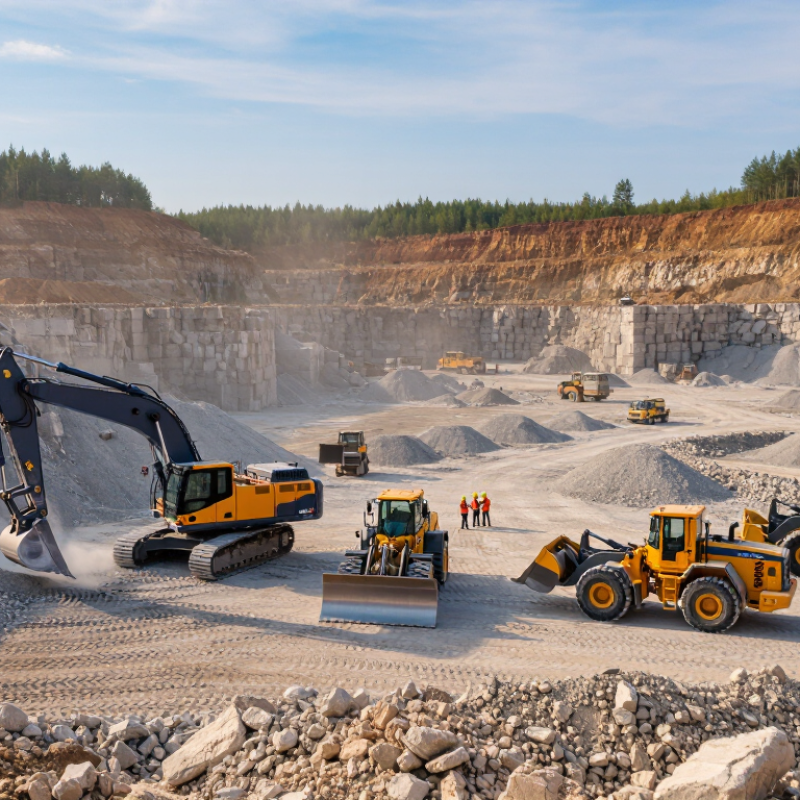
The best heavy equipment supplier in China is not defined by price alone. It earns trust through verified production, consistent quality, and practical field experience. A capable supplier should explain engine output, operating weight, hydraulic performance, and fuel use clearly. Technical answers should match the machine’s specifications, not sales promises.
Look for factory inspection records, component traceability, and load-testing procedures. Ask how each unit is checked before shipment. A reliable supplier can provide inspection photos, serial records, and clear maintenance schedules.
Spare parts availability also matters. A damaged hydraulic hose should not stop a project for weeks. Strong suppliers usually offer responsive engineering support and trained service staff. Their advice should fit local soil, climate, and working conditions.
Tips: Request a video inspection before payment. Compare warranty terms, delivery dates, and service response times. Check whether parts are stocked locally or shipped from another facility. Speak with previous customers when possible. Small details reveal a supplier’s habits.
No supplier is perfect. Even an experienced manufacturer may occasionally miss a delivery target or misunderstand site conditions. This is why written specifications, acceptance checks, and regular communication remain essential. The strongest partnership grows from honest limitations, measurable standards, and dependable support after the equipment reaches your site.
How to Verify a Chinese Caterpillar Equipment Supplier’s Credentials
Choosing a Chinese heavy equipment supplier requires evidence, not attractive catalog photos. China Construction Machinery Industry Association reported that the sector’s 2023 export value exceeded US$48 billion. This scale creates opportunity, but also makes supplier screening essential. Ask for the company’s business license, Unified Social Credit Code, registered capital, and factory address. Match every detail with China’s National Enterprise Credit Information Publicity System. A trading company should not present itself as a manufacturer.
Request production records, quality certificates, and recent export documents. Verify certificates through the issuing body, not through a forwarded PDF. ISO’s 2023 survey recorded more than one million ISO 9001 certificates worldwide, so an ISO logo alone proves little. Check the certificate scope, expiry date, factory location, and covered products. For used machines, inspect engine hours, maintenance logs, serial numbers, hydraulic leakage, and structural welds. An independent inspector should test the machine before shipment. Photos can hide problems.
Tips: Compare the supplier’s bank-account name with its legal entity. Call two recent customers, preferably in different countries. Use a written contract covering inspection, spare parts, warranty response, and delivery penalties. Confirm payment terms carefully. A common mistake is trusting a large showroom. I have seen small workshops deliver better units than impressive offices, but that is not a reliable rule. Evidence must decide.
Which Caterpillar Machinery Products and Services Are Available
A reliable heavy-equipment supplier should offer more than excavators. Available machinery may include hydraulic excavators, wheel loaders, bulldozers, motor graders, articulated trucks, compactors, and compact machines. Power systems, generator sets, attachments, and used-equipment inspections can support construction, mining, agriculture, and infrastructure projects.
The 2023 Yellow Table report by International Construction recorded global construction-equipment sales of approximately US$238 billion. This scale shows why parts availability and technical support matter. A dependable supplier should provide filters, undercarriage components, hydraulic parts, engine service, and scheduled maintenance. Telematics can monitor fuel use, idle time, location, and fault codes. Useful data, when interpreted correctly.
Field experience reveals a less comfortable truth. The cheapest machine is not always the lowest-cost choice. A poorly matched bucket, delayed component, or untrained operator can increase downtime quickly. The Association of Equipment Manufacturers highlights productivity, safety, and lifecycle costs as key purchasing considerations. Supplier support should therefore include operator training, inspection reports, warranty guidance, remote diagnostics, and emergency repair planning. Buyers should verify service response times, parts authenticity, technician qualifications, and regional inventory before signing a contract. Some suppliers promise everything. Fewer can prove it with maintenance records and measurable uptime.
Heavy Equipment Product and Service Availability
Typical operating-weight ranges across major heavy-equipment categories are shown below. Actual specifications vary by machine configuration, attachment, and application. Common support services include parts supply, preventive maintenance, diagnostics, repairs, and operator training.
Common Services Available
- Preventive maintenance and scheduled inspections
- Replacement parts and wear-component supply
- Hydraulic, electrical, and engine diagnostics
- Field repairs, component rebuilding, and emergency support
- Equipment commissioning, operator training, and fleet guidance
How to Compare Supplier Quality, Pricing, Warranty, and Delivery
Choosing a China-based heavy equipment supplier requires more than comparing factory photos with a low quotation. In practice, quality becomes visible in details: weld penetration, hose routing, undercarriage alignment, and cold-start performance. Ask for dated inspection records, component serial numbers, and a live video of the machine working under load. A serious supplier should explain testing limits instead of promising perfection. Small warning signs matter.
Pricing should be compared line by line, including attachments, inland transport, export packing, documentation, and spare parts. An unusually low offer may exclude essential items or use a shorter service interval. Request a written specification sheet with the model, operating weight, engine output, bucket capacity, and fuel consumption. Then compare identical configurations. Not assumptions. I once saw two “same” machines priced far apart because one included reinforced tracks and a larger hydraulic pump. That difference was easy to miss.
Warranty terms reveal the supplier’s reliability. Check coverage length, excluded parts, response time, labor responsibility, and replacement-part locations. Ask how a fault is diagnosed when the machine operates thousands of kilometers away. Delivery should include a realistic production schedule, pre-shipment inspection, packing photos, and tracking documents. Build a buffer for port delays. I would also request customer references from similar climates and workloads, although references can be selective. That limitation deserves attention.
| Evaluation Dimension | Supplier A OEM-Equivalent Focus |
Supplier B Certified Aftermarket Focus |
Supplier C Value-Oriented Focus |
|---|---|---|---|
| Quality Management | Excellent ISO 9001-certified production and documented inspection procedures |
Good ISO 9001-certified facilities with supplier-based quality records |
Standard Basic quality system; request recent audit evidence |
| Product Traceability | Serial or batch traceability with material and inspection records | Batch-level traceability for most parts and assemblies | Traceability depends on product category and production batch |
| Compatibility Verification | Fitment verified through part number, machine model, and application data | Fitment normally verified by part number and equipment model | Buyer should provide dimensions, photographs, and complete application details |
| Typical Product Quality Level | Consistent dimensions, controlled materials, and documented final inspection | Generally consistent quality with moderate variation between product lines | Acceptable for cost-sensitive applications; incoming inspection is recommended |
| Indicative Price Position | 100–120% of the comparable aftermarket benchmark | 80–100% of the comparable aftermarket benchmark | 60–85% of the comparable aftermarket benchmark |
| Quotation Transparency | Detailed quotation covering specification, tooling, packaging, freight terms, and taxes | Detailed quotation for standard products; confirm optional charges | Competitive initial price; confirm inspection, packaging, and replacement costs |
| Minimum Order Quantity | Usually flexible for stock items; production orders may require 1–10 units | Usually 1–20 units depending on the component | Often 5–50 units for customized or low-volume products |
| Standard Production Lead Time | 15–30 calendar days for regular production items | 20–40 calendar days for regular production items | 25–50 calendar days, especially for customized products |
| Stock Availability | Higher availability for frequently ordered service parts | Moderate availability; stock should be confirmed before payment | Lower availability; many orders are produced after confirmation |
| Export Packaging | Moisture protection, reinforced cartons or plywood cases, and labeled packing lists | Standard export cartons or wooden cases with product labels | Basic export packaging; specify protection requirements in the purchase order |
| Warranty Coverage | 12–24 months against manufacturing defects, subject to installation conditions | 6–12 months against manufacturing defects | 3–6 months, commonly limited to manufacturing defects |
| Warranty Claim Process | Formal claim procedure with photographs, operating records, and failure analysis | Replacement or credit usually available after technical review | Claim resolution may require extensive evidence and negotiation |
| Replacement Parts Support | Strong support for seals, bearings, fasteners, and service components | Good availability for commonly requested replacement parts | Support varies by product and may require a new production order |
| Pre-Shipment Inspection | Documented inspection reports, dimensional checks, and photographs available | Inspection reports available upon request for most orders | Inspection should be written into the purchase contract before production |
| Communication and Documentation | Dedicated export contact, technical drawings, test reports, and commercial documents | Responsive sales support with standard technical documentation | Communication quality varies; confirm all specifications in writing |
| Recommended Buyer Profile | Mining, construction, rental, and fleet operators prioritizing reliability | Importers and distributors seeking a balance between cost and quality | Buyers with strong inspection capability and high price sensitivity |
| Key Verification Before Ordering | Request the supplier’s business license, ISO certificate validity, product drawings, material specifications, inspection records, warranty terms, references from comparable projects, and a pre-shipment inspection plan. | ||
| Price positions and lead times are practical procurement benchmarks for comparable heavy-equipment parts and assemblies, not fixed quotations. Actual results vary according to product type, order quantity, customization, port, shipping method, Incoterms, inspection requirements, and destination regulations. Confirm all commercial and technical details in a signed purchase order. | |||
How to Choose the Right Caterpillar Equipment Supplier in China
Choosing a reliable heavy equipment supplier in China requires more than comparing online prices. Check the company’s registration, export history, factory relationships, and service team. Ask for inspection reports, equipment specifications, and serial-number records. Experienced suppliers can explain engine hours, hydraulic performance, attachment compatibility, and maintenance costs. Request a live video inspection. Photos may hide worn pins, cracked welds, or oil leaks. A trustworthy supplier discusses defects openly.
Tips: Ask for three recent customer references. Verify them independently. Compare warranty terms, spare-parts availability, response times, and payment conditions. Confirm who handles inland transport, port delivery, customs documents, and final shipping. Small details matter. Never rely only on a polished website.
A practical supplier should provide a clear quotation with model year, operating hours, machine condition, delivery schedule, and exclusions. Request a third-party inspection before payment when the equipment value is high. The contract should define warranty coverage, replacement procedures, and responsibility for hidden faults. Test the supplier’s technical knowledge with specific questions about cold starts, hydraulic pressure, and undercarriage wear. Vague answers deserve caution. My own view is that low prices can be useful, but they often signal future repair costs. I have also learned that even careful inspections cannot predict every failure. Leave room for maintenance, and keep every promise in writing.
Related Posts
-
How to Buy Caterpillar Heavy Equipment for Global Projects?
-
What Are the Top 10 Caterpillar Equipment Models?
-
Top 10 Caterpillar Machines for Heavy-Duty Construction Projects
-
7 Tips for Buying Caterpillar Heavy Equipment
-
Top Excavator Parts to Consider in 2025: Essential Buying Guide
-
Choosing the Right Excavator Machine Manufacturer for Optimal Performance in Global Markets