7 Tips for Buying Caterpillar Heavy Equipment
Buying caterpillar heavy equipment is rarely a simple price comparison. A machine may look affordable on paper, yet operating costs can change the decision completely. Fuel use, service access, attachment compatibility, resale value, and jobsite conditions all deserve careful attention. A construction manager should inspect the machine closely, review maintenance records, and speak with technicians who understand the equipment’s working history. Photographs are useful, but they cannot reveal every hydraulic leak or worn component.
Caterpillar CEO Jim Umpleby has said, “Our customers are at the center of everything we do.” That principle matters when choosing excavators, loaders, dozers, or articulated trucks. The right purchase should support the operator, the project schedule, and the company’s long-term budget. Experience teaches an uncomfortable lesson: the cheapest machine is not always the least expensive choice. Sometimes, a well-maintained used unit performs better than a neglected newer model. That possibility deserves honest consideration.
This guide presents seven practical tips for buying caterpillar heavy equipment with greater confidence. It examines machine condition, total ownership cost, dealer support, specifications, financing, inspection methods, and future resale potential. Each point connects technical knowledge with real purchasing decisions. Still, no guide replaces a professional inspection. Every jobsite is different. Mistakes remain possible. Careful questions reduce them.
Define the Job, Worksite, and Equipment Requirements
Buying heavy equipment starts with the job, not the machine.
Define the material, daily production target, travel distance, and ground conditions. A 30-minute site walk can reveal soft shoulders, overhead limits, tight turning areas, or hidden drainage problems. Record the steepest grade and maximum load path.
Match the equipment to those facts.
A tracked excavator may suit muddy ground, while a wheeled unit can reduce travel time on prepared surfaces. Check bucket capacity, lift charts, attachment flow, transport width, fuel use, and operator visibility. Include service access and parts availability in the requirement sheet. Small details become expensive delays.
Labor availability matters too.
The Associated General Contractors’ 2024 Workforce Survey reported that 94% of construction firms struggled to fill craft positions. Choose controls that operators can learn quickly, but do not treat simplicity as proof of productivity. Compare verified cycle times under similar conditions. The U.S. Bureau of Labor Statistics continues to classify equipment operation as a large construction occupation, making training and retention practical purchasing concerns.
A spreadsheet can still miss reality.
I would test the machine with the actual attachment, material, and site slope before signing. Measure loading time, repositioning frequency, and visibility from the cab. Ask the dealer for documented performance data, inspection records, and total operating-cost assumptions. Independent reports are useful, but your worksite evidence should carry more weight.
Compare Caterpillar Machine Types, Sizes, and Key Specifications
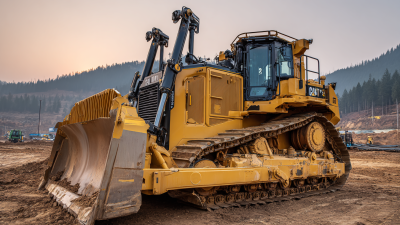
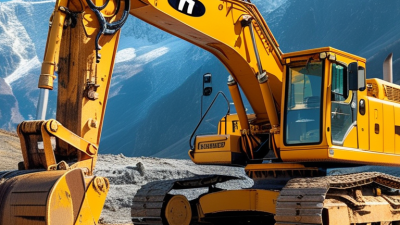
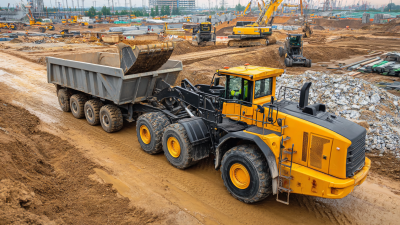
Choosing heavy equipment requires more than comparing horsepower. Excavators suit digging, trenching, and precise loading. Wheel loaders move loose material quickly across firm ground. Dozers excel at pushing, grading, and site preparation. Match the machine to the task.
Size changes productivity and risk. Compact excavators often fit narrow urban sites, while larger models deliver deeper reach and higher bucket capacity. The 2024 EquipmentWatch Rental Rate Report shows that utilization and ownership costs vary sharply by equipment class.
Check hourly fuel use, operating weight, lift capacity, and attachment compatibility. A powerful machine may waste fuel on a small project.
Specification sheets can mislead without field context. Measure your access roads, turning radius, soil conditions, and transport limits. The Association of Equipment Manufacturers reported uneven construction-equipment demand in its 2024 market outlook, reinforcing the need for careful purchasing decisions. During inspections, I look for hydraulic leaks, uneven track wear, cold-start behavior, and service records. Small defects become expensive quickly. I sometimes overvalue low hours; maintenance quality matters more. Review cycle times, visibility, operator controls, warranty terms, and parts availability before negotiating. A short site trial often reveals weaknesses that brochures hide.
Inspect Machine Condition, Maintenance Records, and Operating History
7 Tips for Buying Caterpillar Heavy Equipment
Inspect machine condition, maintenance records, and operating history before discussing price. A clean repaint can hide cracked welds, oil leaks, or rushed repairs. Check the frame, boom, bucket, undercarriage, hoses, electrical connections, and hydraulic cylinders. Inspect cold-start behavior. Listen for knocking, uneven idle, excessive smoke, or delayed hydraulic response. Take oil and coolant samples when possible. Laboratory results may reveal contamination before damage becomes visible.
Maintenance records should include dates, engine hours, replaced components, fluid specifications, and inspection invoices. Compare those records with the hour meter. Gaps deserve questions. The Association of Equipment Manufacturers’ 2023 U.S. Economic Impact Report valued equipment manufacturing’s economic contribution at over 316 billion dollars, showing how important reliable parts and service networks remain. Still, a large industry does not guarantee careful maintenance.
Operating history often explains hidden wear. A unit used in quarry work may suffer more frame and undercarriage stress than one used on prepared sites. Ask where it worked, how many shifts it ran, and whether it faced saltwater, dust, or extreme heat. The American Rental Association’s 2024 forecast placed U.S. equipment rental revenue near 78.7 billion dollars, reflecting strong equipment utilization across many job sites. High utilization is not automatically bad. But it requires stronger records. My checklist is useful, not perfect. Bring an independent technician when the purchase matters.
Calculate Total Ownership Costs, Support, Financing, and Resale Value
The purchase price is only one part of owning heavy equipment. Calculate fuel, scheduled servicing, tires, insurance, transport, storage, and operator training. Ask for realistic consumption figures under your working conditions. Mud, steep grades, and long idle periods can change the estimate quickly. I once underestimated transport costs on a remote project. That mistake still bothers me.
Request maintenance records before signing anything. Look for repeated hydraulic repairs, unusual engine noise, uneven wear, and delayed inspections. A strong dealer or seller should explain parts availability and technician response times clearly. Ask whether support reaches your jobsite within hours or several days. Downtime has a price, even when nobody lists it on the invoice. Confirm warranty terms, exclusions, and emergency service arrangements in writing.
Financing deserves the same attention as machine specifications. Compare the total repayment, deposit, interest rate, fees, and payment schedule. A lower monthly payment may hide a much higher final cost. Match payments with your seasonal cash flow, not your most optimistic forecast. Consider resale value as well. Equipment with documented servicing, clean operating hours, and useful attachments usually attracts more buyers. Keep inspection reports and repair invoices organized from day one. Appearance matters, but condition matters more. Resale estimates remain uncertain. Local demand, regulations, and new technology can shift quickly. Get two independent valuations before making a confident assumption.
7 Tips for Buying Heavy Equipment: Calculate Total Ownership Costs
A purchase price is only one part of the investment. This five-year planning benchmark compares major ownership-cost components across common equipment classes, including fuel, maintenance, financing, and expected resale recovery.
Figures are illustrative industry-planning estimates in thousands of U.S. dollars. Actual costs vary with utilization, fuel prices, financing terms, maintenance practices, operating conditions, and local resale markets.