Blog

What Are the Top 10 Caterpillar Equipment Models?

Choosing the best machine is rarely about horsepower alone. Jobsite conditions, attachment needs, fuel use, operator comfort, and dealer support can change the decision.

This guide examines the question, “What Are the Top 10 Caterpillar Equipment Models?” through a practical industry lens. It considers machines used in construction, mining, agriculture, roadwork, and material handling. The selection includes familiar names such as the Cat excavator, D6 dozer, 336 excavator, 950 wheel loader, and 745 articulated truck. Each model serves a different purpose. A compact excavator may outperform a larger machine in a crowded urban project. A massive haul truck may be inefficient on a small quarry site.

Jim Umpleby, Caterpillar’s chairman and chief executive officer, has stated the company’s purpose plainly: “We help our customers build a better, more sustainable world.” That idea matters here. Equipment should move material, reduce downtime, and support safer, more responsible work. It should also make financial sense after purchase. That part is easy to overlook.

The ranking will compare productivity, durability, versatility, technology, maintenance access, and long-term ownership value. Real-world performance can still vary. Soil, climate, operator skill, and service response often matter more than a brochure suggests. Some rankings may favor iconic models, while others may reward compact machines with lower operating costs. There is no perfect list. A careful buyer should question every claim, inspect local support, and match the machine to actual workloads. Because the “top” model is not always the biggest one.
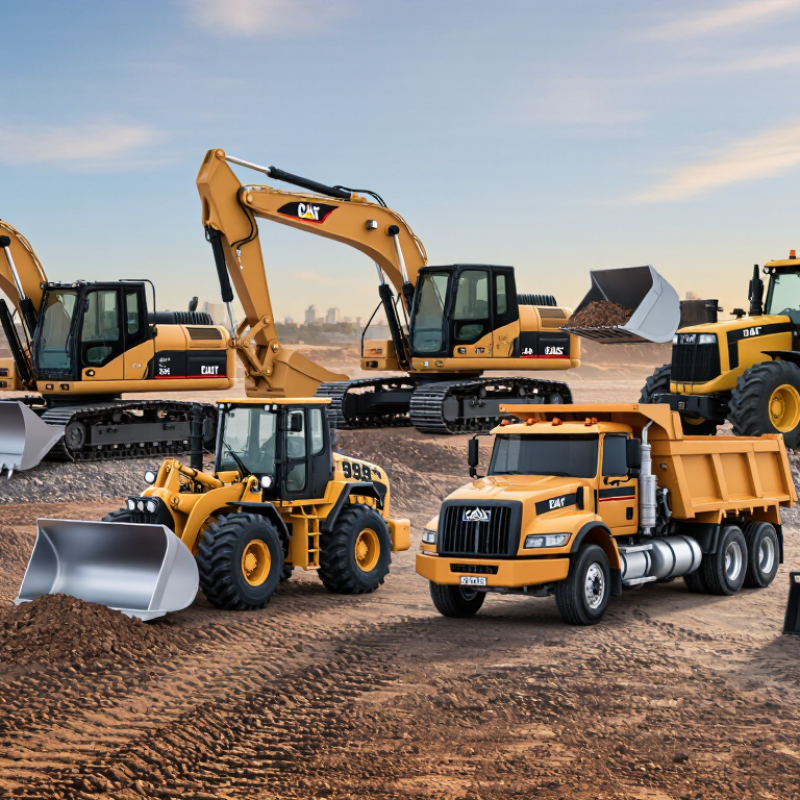
What Are the Top 10 Caterpillar Equipment Models?

What Makes Caterpillar Equipment Models Stand Out?

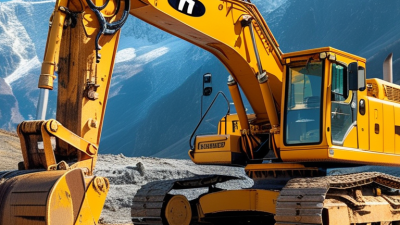
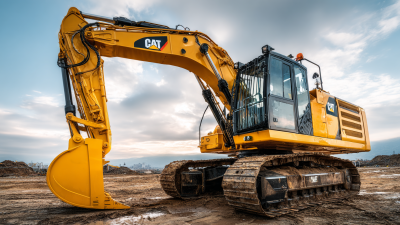
The top 10 heavy equipment models stand out through practical strength, not flashy promises. Their tracked excavators deliver steady digging power on uneven ground. Wheel loaders move gravel, soil, and broken concrete with controlled speed. Dozers maintain traction when surfaces become wet, loose, or sharply sloped. Each machine serves a different job, yet their value comes from dependable daily performance.

Operators often notice the details first. Wide steps improve access. Clear sightlines reduce blind spots around crowded work areas. Responsive controls help a skilled operator grade more accurately. Reinforced frames handle repeated impacts, while efficient hydraulic systems can reduce wasted fuel. That matters during long shifts. It also affects project costs. In my experience, simple service points can be more valuable than extra features. Easy filter access saves time between jobs. Nobody enjoys unnecessary downtime.

Built for demanding work.

Electronic monitoring adds another layer of reliability. Warning systems can identify temperature, pressure, or maintenance concerns before damage becomes severe. However, technology cannot replace inspection. Dust still enters neglected compartments. Tracks still wear unevenly. A model may perform brilliantly in one region and feel excessive in another. Soil conditions, operator training, attachment choice, and service support all influence the result. Buyers should compare real operating hours, payload needs, fuel use, and repair access. The strongest model is not always the largest. Sometimes, a smaller machine delivers better control, lower transport costs, and fewer surprises. That point is easy to overlook.

How to Compare the Top 10 Caterpillar Equipment Models

Comparing the top ten construction equipment models requires more than checking engine power. Start with application fit, operating weight, lift capacity, hydraulic flow, and transport limits. A 20-ton excavator may outperform a 30-ton unit on tight urban sites. Fuel matters. According to the 2024 Global Construction Perspectives report, labor shortages and productivity pressure continue influencing equipment investment decisions. This makes cycle time and operator comfort important comparison points.

Use verified field data, not brochure claims. EquipmentWatch’s 2024 market analysis emphasizes age, operating hours, condition, and resale history when estimating used-equipment value. Compare fuel consumption per working hour, average maintenance cost, attachment compatibility, and documented downtime. Hours matter. Request service records and inspect hydraulic leaks, undercarriage wear, tires, and cooling systems. The Association of Equipment Manufacturers reported continued demand for construction machinery in 2024, but market demand does not guarantee every model suits every job. A cheaper machine can cost more when parts availability is weak or technicians lack training. I would also compare telematics accuracy, warranty coverage, and local dealer response times. These details are easy to overlook. The comparison becomes imperfect when owners report fuel use differently, so test machines under similar loads, ground conditions, and operator habits.

What Are the Top 10 Caterpillar Equipment Models? - How to Compare the Top 10 Caterpillar Equipment Models

Specifications are representative published figures and may vary by configuration, attachment, operating conditions, and regional model version.
Rank Model Equipment Type Operating Weight Net Power Rated Capacity Best-Suited Work Main Comparison Advantage
1 336 Large Hydraulic Excavator Approximately 37,000 kg 202 kW Bucket up to about 1.54 m³ Heavy excavation, quarrying, and mass earthmoving High digging force and large production capacity
2 D8 Track-Type Dozer Approximately 39,000 kg 263 kW Blade capacity up to about 8.7 m³ Large-scale pushing, site preparation, and stockpile work Greater drawbar pull and blade capacity than mid-size dozers
3 730 Articulated Dump Truck Approximately 24,000 kg empty 275 kW 28-tonne payload Hauling over rough, wet, or uneven construction sites Strong balance of payload, maneuverability, and all-terrain traction
4 972 Large Wheel Loader Approximately 26,000 kg 249 kW Bucket range about 4.5–5.0 m³ Quarry loading, aggregate handling, and truck loading High breakout force and efficient loading cycles
5 320 Medium Hydraulic Excavator Approximately 21,200 kg 145 kW Bucket up to about 1.19 m³ General excavation, utility work, and foundation digging Versatile size with strong fuel-efficiency potential
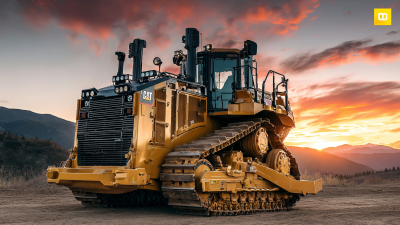
6 D6 Medium Track-Type Dozer Approximately 21,800 kg 161 kW Blade capacity varies by blade type Road building, grading, land clearing, and material spreading Good balance between controllability, power, and transportability
7 950 GC Medium Wheel Loader Approximately 19,000 kg 171 kW Bucket up to about 3.1 m³ Stockpiling, aggregate loading, and general material handling Practical operating cost and dependable general-purpose performance
8 745 Large Articulated Dump Truck Approximately 35,000 kg empty 381 kW 41-tonne payload High-volume earthmoving, mining, and large infrastructure projects Higher payload and production potential than the 730 class
9 299D3 XE Compact Track Loader Approximately 5,000 kg 55.4 kW Rated operating capacity about 1,360 kg Landscaping, demolition, grading, and confined-site work Compact footprint with high hydraulic attachment versatility
10 313 GC Compact-Medium Hydraulic Excavator Approximately 13,600 kg 74.4 kW Bucket up to about 0.76 m³ Utility installation, residential construction, and site preparation Lower operating weight and useful reach for smaller job sites

The Top 10 Caterpillar Models by Equipment Category

Top 10 Equipment Models by Category

Choosing the right machine depends on ground conditions, workload, transport limits, and operator experience. In the excavator category, the 320 suits general earthmoving, while the 336 offers greater digging force for heavy construction. The 950 and 966 wheel loaders handle quarry loading and stockpile work, although the larger model can feel excessive on smaller sites. For dozing, the D6 provides balanced control and mobility. The D8 is stronger for deep cuts, rough terrain, and large-scale site preparation.

The 140 and 150 motor graders remain practical choices for road shaping and drainage work. The 745 articulated truck carries heavy loads across uneven haul roads, but its operating cost deserves careful review. In compact construction, the 262D3 skid steer fits tight spaces and supports many attachments. The 420 backhoe loader combines trenching, loading, and basic road maintenance in one machine. That flexibility can reduce equipment transfers. It can also limit productivity during demanding, single-purpose tasks.

My ranking is useful, not absolute. Experienced operators may prefer a smaller model for better visibility and lower fuel use. Soil moisture, tire condition, hydraulic response, and maintenance history can change real-world results. A clean inspection often matters more than a popular specification. Check service records, attachment compatibility, and local support before choosing. Performance claims need field verification.

Key Features and Applications of Each Caterpillar Model

A compact hydraulic excavator offers precise digging in narrow urban sites. Its reduced tail swing helps protect walls, pipes, and nearby workers. A small dozer combines a short frame with a controllable blade for residential grading. Medium dozers provide stronger pushing power for road foundations and quarry access routes. Large dozers suit major earthmoving, where wide tracks improve stability on uneven ground. A wheel loader uses a front bucket to move aggregate quickly. Its articulated steering helps it turn inside stockpiles and loading yards. A backhoe loader combines digging and loading in one practical machine. It works well for utility repairs, drainage, and small construction projects. Still, its versatility cannot replace a dedicated excavator on deep, continuous trenching.

A motor grader creates accurate slopes through a long adjustable blade. Operators commonly use it for road crowns, shoulders, and final surface preparation. An articulated dump truck carries heavy material across muddy or broken ground. Its jointed chassis improves traction, although sharp turns can increase tire wear. A skid steer loader stays compact and accepts many attachments, including sweepers and augers. A track loader adds ground contact and performs better on soft soil. These ten equipment types cover most construction, mining, agricultural, and infrastructure needs. In practice, fuel use, operator skill, maintenance access, and site conditions matter as much as rated power. No machine is perfect. I would verify local ground pressure, service support, and attachment compatibility before choosing any model.

How to Choose the Right Caterpillar Equipment Model

Choosing among ten popular equipment models should begin with job demands, not horsepower. Match operating weight, bucket capacity, lift height, and transport limits to site conditions. For excavation, compare hydraulic flow and breakout force. For grading, prioritize blade control and visibility. Quarry work requires frame strength and cycle speed. The 2024 Global Status Report for Buildings and Construction reported that the sector used 32% of global energy. Fuel efficiency therefore deserves serious attention. A larger machine can lose money when access roads, fuel use, and idle time are ignored.

Use three years of site records when possible. Measure hourly production, fuel consumption, maintenance delays, and operator feedback. U.S. Bureau of Labor Statistics data recorded more than eight million construction jobs in 2024, highlighting the value of capable operators. Choose controls your crews can learn quickly. Verify parts availability, technician coverage, and telematics support. Calculate resale value, too. Purchase price alone is incomplete. My practical caution is simple: spreadsheets look cleaner than muddy reality. Weather, haul distance, and operator experience can change the result.

Tips: Rent or demo the closest two sizes for one full shift. Record cycle times with identical material. Ask technicians about recurring failures. Keep a 15% contingency for attachments, transport, and repairs. Do not automatically choose the largest model. Sometimes, the smaller machine finishes faster.