Why Are Excavator Parts So Expensive?
Why are excavator parts so expensive, even when the component looks small? A steel bushing or hydraulic seal may seem simple, but it must handle vibration, pressure, heat, dirt, and repeated impact. The price often reflects more than raw material. Precision machining, heat treatment, quality checks, and model-specific design all add cost. A part that fits one machine may not fit another. Small differences matter.
The supply chain matters, too. Dealers may stock parts for older or less common models, tying up money in inventory. Shipping heavy components, maintaining technical support, and sourcing reliable replacements also affect the final price. Original equipment parts can offer documented fit and performance, while aftermarket options vary by manufacturer and quality. Cheaper does not always mean poor; expensive does not always mean best. That deserves a closer look.
This guide examines the real cost drivers behind excavator parts and explains what buyers can check before ordering. Compare part numbers, materials, warranty terms, and supplier reputation. Ask whether the component is new, rebuilt, or compatible with your machine’s exact serial range. A wrong part can bring repairs to a stop, even if its price looked attractive. Still, pricing is not always transparent, and some markups are hard to explain. A careful comparison helps separate genuine engineering and support costs from convenience or brand premiums.
What Components Are Included in an Excavator?
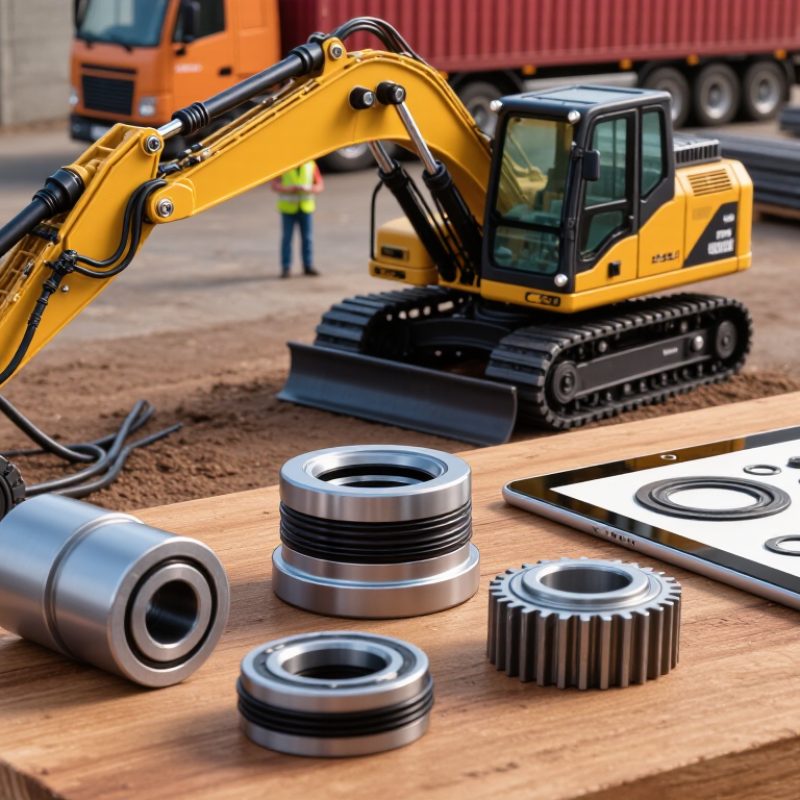
An excavator is a working system, not just a boom and bucket. Its main structure includes the undercarriage, upper frame, boom, arm, and bucket. The undercarriage holds the track chains, shoes, rollers, idlers, and drive sprockets. These parts carry the machine’s weight across rough ground. That is a lot of contact.
Power comes from the engine, while hydraulic pumps send pressurized fluid through hoses and valves. Hydraulic cylinders move the boom, arm, and bucket. The cab contains the operator’s seat, joysticks, display, and safety controls. Cooling components, wiring, batteries, filters, and seals support daily operation. Small parts matter. A worn seal can cause a leak, reduce pressure, and slow the machine.
Parts can be expensive because many must withstand repeated impact, heat, dirt, and high pressure. Precision surfaces and durable materials also affect manufacturing and repair costs. Still, a parts list rarely tells the whole repair story. A slow boom might point to a cylinder, a valve, or a pump; inspection is needed before replacing anything. Wear is uneven. Maintenance records and the machine’s working conditions help identify what actually needs attention.
Why Are Excavator Parts So Expensive?
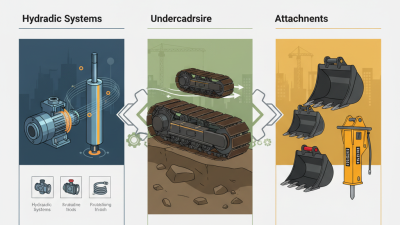
Major component groups and example parts included in a hydraulic excavator
The bars count the example parts listed for each system; they do not represent prices or the total number of parts on a machine. Excavator components can be costly because many are large, heavy-duty, precision-built, or require substantial labor to replace.
How Materials and Manufacturing Shape Part Costs
Excavator parts cost more than their shape suggests. A bucket pin may look like a simple steel rod, but it must resist impact, bending, and abrasive dirt. Manufacturers often use alloy steel, then apply heat treatment to harden the working surface. The process takes energy and careful control. Small flaws matter.
Manufacturing steps also add cost. A cast housing may need extra machining so its bores align with nearby components. A hydraulic valve can require tight internal clearances, clean finishing, and pressure testing. These operations need skilled labor, calibrated equipment, and inspection time. Scrap is expensive, too. A rejected part may represent hours of work and costly material.
Production volume changes the price. Common components can spread tooling costs across many units, while less common parts may be made in short runs. That can leave each piece carrying more setup and inspection expense. Shipping heavy steel adds another layer. Still, a high price does not automatically prove better quality. I would compare material specifications, heat-treatment details, dimensions, and test records before judging. Those details are not always easy to obtain, and a quick estimate can miss them. A worn pin’s polished contact marks may show where real stress builds.
Why Specialized Design Limits Interchangeability
Why Are Excavator Parts So Expensive?
Why Specialized Design Limits Interchangeability
An excavator part is rarely just a piece of metal. A hydraulic pump must match its mounting points, flow rate, pressure range, and control signals. A track shoe must fit the machine’s chain pitch and operating weight. Even similar-looking electrical connectors can use different pin assignments. Small mismatches matter.
KHL Group’s 2024 Yellow Table reported $243.4 billion in sales for the world’s 50 largest construction equipment manufacturers in 2023. That figure reflects a vast equipment market, not a count of unique parts. Still, it helps explain why suppliers support many machine families, model years, and configurations. A replacement part may be produced in smaller batches for a narrow fitment, raising costs for tooling, inventory, and verification.
Interchangeability has limits. A revised engine, hydraulic circuit, or control system can change a part’s dimensions or performance requirements without changing the machine’s overall appearance. In a service bay, a pump that bolts on but delivers the wrong flow can cause overheating or poor response. That is an expensive mismatch. Aftermarket cross-references can help, but catalog data is not infallible; verify serial ranges, specifications, and connector details before ordering. Some parts are costly for sound engineering reasons. Others deserve a closer price check.
How Supply Chains and Availability Affect Prices
A hydraulic pump or final-drive component may pass through several suppliers before reaching a repair shop. Each handoff adds handling, freight, and sometimes storage costs. When a part is common, warehouses can replenish it quickly and spread those costs across steady orders. Availability changes everything. For older or less common machines, suppliers may hold little stock. One order can trigger a factory build or a long-distance shipment. Those delays can make downtime expensive, pushing buyers toward faster shipping or a compatible replacement.
Compatibility deserves care. A seal or filter may appear identical, yet small differences in dimensions, materials, or revisions can cause leaks or premature wear. Checking the machine’s model and serial details before ordering helps avoid return freight and another wait. Parts sit in transit. Prices also reflect uneven demand: a sudden repair rush can empty local shelves while replenishment remains weeks away. The first quote can feel like the whole story, though that view is often too neat. Stock location, delivery time, and fitment all matter. A lower-priced part may still cost more if it arrives late or needs modification.
Why Durability and Downtime Matter to Buyers
Why Are Excavator Parts So Expensive?
Why Durability and Downtime Matter to Buyers
A replacement part’s price covers more than its material. It must handle vibration, heavy loads, dust, and repeated movement without failing early. A hardened pin, for example, needs accurate dimensions and a suitable surface finish. Poor fit can speed up wear in both the pin and its bushing. Small details matter. Manufacturing, testing, and quality control also add cost, though prices vary by part and supplier.
Downtime can cost more than the component itself. If a machine stops on a muddy site, work may pause while a technician diagnoses the fault and the correct part arrives. Delays can affect operators, deliveries, and other scheduled jobs. A durable part may reduce repeat repairs, but durability should be supported by clear specifications and a suitable maintenance history. Higher price alone is not proof of better performance. I have seen buyers focus on purchase cost and overlook installation time; that is an easy mistake to make.
Tips: Check the part number, dimensions, and machine configuration before ordering. Ask what material or testing information is available. Inspect related components, such as seals and bushings, rather than replacing one worn item blindly. Keep service records. They help reveal whether failures come from part quality, poor lubrication, contamination, or demanding operating conditions.