Blog
2026 Top Excavator Parts Suppliers for Global Buyers
In 2026, choosing an excavator parts supplier is about more than comparing prices. Global buyers need components that match the machine, arrive when expected, and come with clear product information. A hydraulic pump, track roller, or filter may look right in a catalog, yet the wrong model or specification can cause delays and extra costs. Fit matters.
This guide introduces suppliers serving different markets and explains what buyers can check before requesting a quote. Useful signals include detailed part numbers, machine compatibility data, material specifications, warranty terms, and responsive technical support. Ask how the supplier verifies fitment, handles backorders, and protects parts during shipping. For critical components, confirm documentation and inspection options rather than relying on broad claims.
Price still matters. So do lead times, stock availability, and after-sales service, especially when a machine is working far from a major service center. No supplier is perfect for every buyer, and a polished website does not prove consistent quality. A practical comparison should weigh evidence, not promises. The sections ahead offer a starting point for evaluating excavator parts suppliers against your equipment, operating conditions, and sourcing priorities. Check the details. A careful decision today can help reduce avoidable downtime later.
Understanding Excavator Parts and Supplier Categories
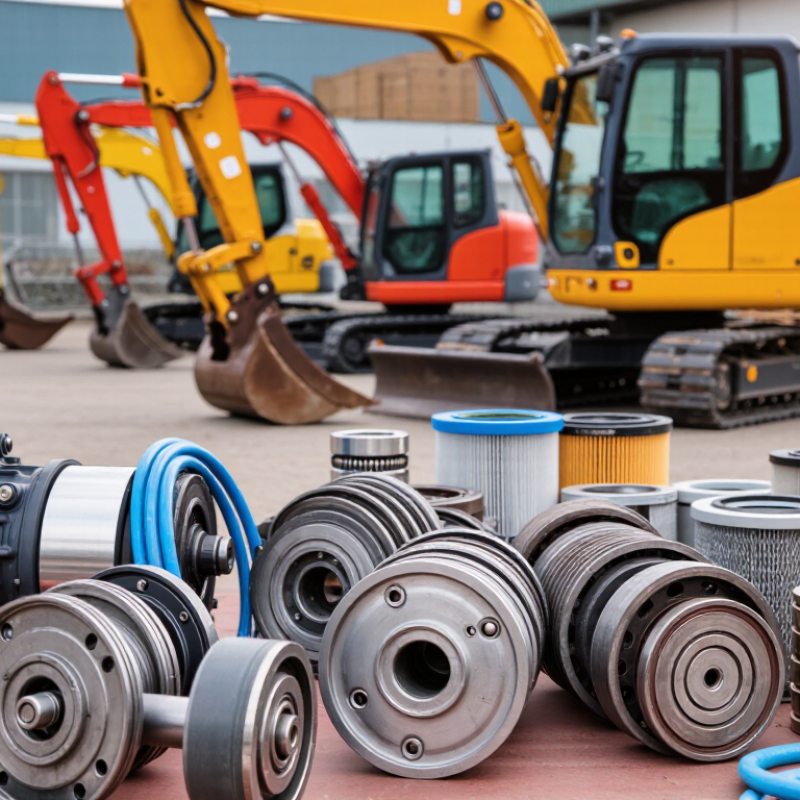
Excavator parts range from undercarriage components and hydraulic pumps to filters, seals, pins, and electronic sensors. Each part works under specific loads, temperatures, and operating conditions. A track shoe may look interchangeable, yet its width, pitch, and bolt pattern must match the machine. Small details matter. Buyers should confirm the machine’s model, serial range, dimensions, and part references before ordering. Photos help, but measurements and technical documents are more dependable.
Suppliers generally fall into several categories: original-equipment channels, independent aftermarket manufacturers, remanufacturers, and used-parts dealers. Original-equipment parts are designed for specified machines; aftermarket options vary in materials and quality control. Remanufactured components can reduce cost, but ask what was replaced and how the unit was tested. Used parts may be practical for older equipment, though wear is not always visible in photos. Fit is not universal. Request material specifications, inspection records, warranty terms, and clear packing details. For international orders, verify lead times and shipping dimensions before comparing prices. A cheaper component can become expensive if it arrives late or needs rework. Even careful checks cannot remove every risk, so keep that uncertainty in the purchasing decision.
Leading Excavator Parts Suppliers for Global Buyers in 2026
For global buyers in 2026, choosing an excavator parts supplier means looking beyond price and stock claims. The right fit depends on machine model, operating conditions, and how quickly a replacement can reach the job site. A track roller used in wet, abrasive soil may need different specifications from one used on firm ground. Small mismatches matter. Ask suppliers to confirm part numbers, dimensions, materials, and compatibility in writing. Clear answers are a useful sign of a dependable process, though they cannot replace inspection.
Leading excavator parts suppliers should provide consistent product information, realistic lead times, and responsive technical support across time zones. Request photos or inspection records for critical components, and clarify packaging, shipping terms, and warranty coverage before placing an order. Buyers can also compare sample parts against existing components when practical. One overlooked issue is documentation quality; it may seem minor until a shipment arrives with unclear labels. No supplier is perfect, so record what works and revisit your criteria after each order.
Tips: Share the machine’s make, model, serial details, and working environment. Keep records. Check dimensions before installation, and ask about return procedures for parts that do not fit. When specifications remain uncertain, pause and verify rather than relying on a quick estimate.
2026 Top Excavator Parts Suppliers for Global Buyers - Leading Excavator Parts Suppliers for Global Buyers in 2026
| Supplier Type | Typical Parts Coverage | Best Fit for Buyers | Common Quality Documents to Request | Indicative Lead-Time Planning Range | Key Checks Before Ordering |
|---|---|---|---|---|---|
| Hydraulic components specialist | Hydraulic pumps, motors, control valves, cylinders, seals and repair kits | Repair shops and fleet operators diagnosing hydraulic-system faults | Part drawings or dimensional data, pressure-test records where applicable, material or batch traceability | Stock items: several business days to a few weeks; non-stock or configured items: several weeks or longer | Confirm machine model and serial number, port configuration, displacement, pressure rating and rotation direction |
| Undercarriage parts supplier | Track chains, shoes, rollers, idlers, sprockets and track adjuster components | Owners managing wear-part replacement and planned maintenance | Dimensional specifications, hardness or material details when available, inspection records and packing list | Common configurations may be available from stock; less-common sizes usually require additional sourcing time | Match pitch, link count, shoe width, bolt pattern and machine configuration; check freight weight and dimensions |
| Engine and filtration parts supplier | Filters, belts, pumps, gaskets, cooling-system parts and selected engine components | Maintenance teams seeking routine service parts or engine-repair components | Cross-reference information, product specifications, batch identification and applicable test documentation | Routine service items are often faster to source than engine-specific or made-to-order components | Verify engine model and emissions configuration; confirm filter dimensions, media type and service requirements |
| Electrical and control parts supplier | Sensors, switches, wiring harnesses, relays, monitors and selected controllers | Technicians resolving electrical, monitoring or control-system issues | Electrical ratings, connector pinout, wiring diagrams and functional-test records where applicable | Availability varies substantially by component; allow extra time for programmed or machine-specific items | Check voltage, connector keying, software or programming requirements and compatibility with the machine’s system |
| Ground-engaging tools supplier | Bucket teeth, adapters, cutting edges, side cutters and wear plates | Earthmoving operations with frequent bucket wear or changing ground conditions | Dimensions, material-grade information, hardness data where supplied and batch identification | Frequently used sizes may be stocked; special profiles or dimensions can take longer | Match tooth system, pin size, adapter profile and bucket application; assess abrasion and impact conditions |
| Multi-category aftermarket parts distributor | A broad range of service, hydraulic, undercarriage, engine and electrical parts | Buyers consolidating orders across multiple machine systems or equipment models | Itemized quotation, part-number cross-reference, country-of-origin information and available inspection documents | Depends on stock across product categories; confirm availability and dispatch timing for every line item | Request separate part numbers, quantities, condition, warranty terms and packaging details for each item |
| Custom-manufacturing and repair supplier | Selected pins, bushings, shafts, fabricated components and repair work | Buyers facing obsolete, damaged or difficult-to-source components | Approved drawings, material certificates where specified, dimensional inspection and repair scope | Usually project-dependent; allow time for measurement, drawing approval, production and inspection | Agree tolerances, material, heat treatment, inspection criteria and acceptance process before production |
Buyer note: These are supplier categories and indicative planning ranges, not named-company rankings or guaranteed delivery commitments. Actual stock, lead times, certifications and product compatibility vary by part and destination. Verify specifications against the machine serial number and obtain written confirmation in the quotation.
How to Compare Supplier Quality, Coverage, and Support
For global buyers in 2026, compare excavator parts suppliers using verifiable details, not polished catalog claims. Ask for material specifications, dimensional tolerances, inspection records, and part-number cross-references. For a track roller, confirm seal design, bearing details, and dimensions against the machine’s serial range. Small mismatches matter. Request sample inspection reports, but remember that photos alone cannot prove consistent production quality.
Coverage means more than shipping to many countries. Check which parts are stocked, typical dispatch times, packaging methods, and how the supplier handles backorders. Ask for a sample shipment timeline to your region, including customs-ready documents and tracking updates. A broad catalog can still leave a machine waiting if common wear parts are unavailable. That detail is easy to miss.
Support is tested when a part does not fit. Ask who reviews technical questions, what measurements they need, and how quickly they respond across time zones. A useful supplier can explain fitment limits and request clear photos or machine data before recommending a replacement. No scorecard is perfect; buyers may overweight price or response speed. Keep notes from real enquiries, compare answers, and check whether promised follow-up actually arrives.
2026 Excavator Parts Supplier Comparison: Suggested Evaluation Weights
Use these buyer-defined weights to compare suppliers consistently. They are an example procurement framework, not measured results or claims about specific suppliers.
Prioritize verifiable quality records, broad parts coverage, and accurate machine fitment. Adjust the weights to reflect your fleet, operating region, and purchasing priorities.
Key Factors for Choosing the Right Excavator Parts Supplier
Choosing an excavator parts supplier is not just about finding the lowest quote. A replacement hydraulic seal may look right in a photo, yet differ in material, dimensions, or temperature rating. Ask suppliers to confirm compatibility using the machine model, serial range, and part number. Small details matter.
Reliable suppliers provide clear product specifications, realistic lead times, and traceable quality documents. For critical components, request material details and inspection records before ordering. Check whether the supplier can explain installation requirements and recommend suitable alternatives when a part is unavailable. Vague answers are a warning sign. A polished catalog alone proves little.
After-sales support also matters when a machine is stopped on site. Confirm how damaged, incorrect, or poorly fitting parts are handled, and get the terms in writing. A sample order can reveal packaging quality, labeling, and communication speed before a larger purchase. Even careful checks cannot remove every risk; fitment data can be incomplete, especially for older machines. Keep photos and measurements from the removed part, and compare them before installation.
How to Verify and Source Parts Across International Markets
Buying excavator parts across borders starts with a precise specification, not a low quotation. Record the machine model, serial range, part number, dimensions, material, and wear conditions. For a hydraulic pump, request clear photos of ports, nameplate details, and mounting points. Small mismatches can stop installation. Ask whether the part is new, rebuilt, or used, and request inspection records where available.
Check the supplier’s business identity, physical address, export history, and references from comparable buyers. Confirm that quotations state the currency, lead time, packaging, warranty terms, and freight responsibilities. Details matter. Before a large order, arrange a sample or independent pre-shipment inspection. Compare measurements with your old part; catalog images alone can be misleading. Vague traceability is a reason to ask more questions, not proof of misconduct.
For international delivery, review the invoice, packing list, origin details, and transport documents with your customs broker. Agree on protective packing, such as capped hydraulic ports and moisture barriers for sea freight. Keep records. Track the shipment and confirm inspection steps before payment milestones. I would not assume the cheapest offer is the best value. Even a careful checklist can miss something; refine it after each order.
Related Posts
-
Why Are Excavator Parts So Expensive?
-
How to Choose the Right Excavator Parts in 2026?
-
2025 Top Excavator Parts Guide for Optimal Performance and Durability
-

Transforming Construction Sites with the Best Heavy Equipment Parts for Efficient Operations
-
Unlocking Efficiency: The Benefits of Sourcing the Best Construction Equipment Parts
-
Solutions for Sourcing Heavy Equipment Parts Globally