Blog

How to Choose the Right Caterpillar Equipment?

Choosing the right caterpillar equipment begins with the work, not the brochure. A compact excavator may suit a narrow urban site, while a large wheel loader can move more material across a quarry floor. The difference shows up in practical details: trench width, haul distance, ground conditions, attachment changes, and hours worked each day. Get those wrong, and even a powerful machine can become an expensive mismatch.

Jim Umpleby, Caterpillar’s chairman and CEO, has emphasized customer success. Caterpillar states its purpose as “to build a better world,” a broad principle that also matters when choosing equipment: the machine should help deliver the job safely, productively, and reliably. This guide compares machine type, size, power, attachments, technology, service access, and total ownership costs. It also considers fuel use, operator comfort, and the dealer support available near your site. Small details matter.

A careful decision starts with actual job requirements. List the materials, working space, ground conditions, and expected daily hours. Then compare specifications and ask a qualified dealer to confirm that the machine fits your application. Check maintenance intervals and parts availability, too. These checks are easy to overlook. No single model suits every crew or project, and published performance figures cannot capture every site condition. That is worth remembering. A little uncertainty is normal; verify the assumptions before committing.
How to Choose the Right Caterpillar Equipment?

Define Your Project Requirements and Operating Conditions

Define the job before comparing equipment. List the material, expected load, digging depth, lifting height, and daily working hours. A compact excavator may suit a narrow urban site, while heavier earthmoving calls for greater capacity. Check the machine’s rated limits in its official specifications; do not estimate from appearance. Allow room for attachments, too. A bucket that is too wide can waste time in a tight trench.

Operating conditions can change the right choice. Note the ground surface, slope, access width, weather, and distance materials must travel. Soft soil may need lower ground pressure; uneven terrain calls for careful stability checks. Measure gates and transport routes before delivery. A common planning mistake is choosing for peak output alone. Fuel use, operator comfort, service access, and idle time affect the real cost. Conditions also change, so leave some flexibility. That part is easy to overlook.

Tips: Write down the three hardest tasks on site. Match each to machine capacity and attachment needs. Confirm dimensions and operating limits with a qualified equipment specialist before committing.

Match Caterpillar Equipment Types to the Work

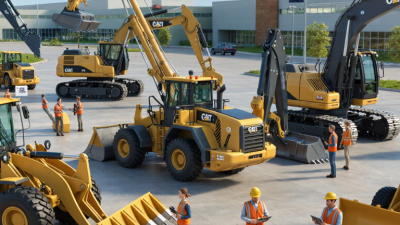
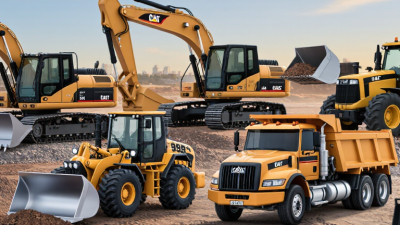
Match equipment to the material, travel distance, and ground conditions—not simply the largest available machine. A tracked excavator handles below-grade digging and truck loading. A wheel loader suits loose aggregate and short trips over firm ground. For longer on-site hauls, consider articulated dump trucks. Soft soil changes the calculation. Track width, ground pressure, and turning space matter.

The U.S. Geological Survey’s 2024 Mineral Commodity Summaries estimated U.S. construction sand and gravel output at roughly one billion tons in 2023. That volume makes payload and haul distance important, but bigger trucks can lose time in tight loading areas.

A motor grader shapes road surfaces; a dozer pushes material and rough-grades; a vibratory roller compacts suitable soil or aggregate. Check the material and required finish before choosing a roller drum. The wrong setup can leave soft spots.

For overhead work, select an aerial lift suited to the required reach and access route. The Bureau of Labor Statistics recorded 1,069 construction worker deaths in 2022, including 395 from falls. That figure does not measure equipment choice, but it underlines why reach, ground stability, and operator training deserve attention. One planning blind spot is assuming the site will stay dry. Recheck conditions when weather or haul routes change.

Compare Machine Size, Capacity, and Site Compatibility

Choosing equipment starts with the work area, not the machine’s headline power. Measure gate widths, overhead clearance, turning space, and the distance from unloading points to the job. A machine that fits on paper may still struggle to turn beside a wall or cross a soft, recently watered patch. Check ground conditions and slope before comparing models.

Match size and capacity to the material and task. Estimate typical load weight, digging depth, lift height, and daily travel distance. For lifting, consult the machine’s load chart at the actual reach; rated capacity can fall as the load moves farther from the machine. Bucket volume alone is not enough. Dense soil or wet aggregate can exceed a safe working load, even when the bucket looks only partly full. Small detail, big difference.

Site access also affects transport and setup. Compare machine width and operating weight with road, trailer, and ground limits. Consider whether tracks or tires suit the surface, and whether attachments can be changed without disrupting the schedule. Ask an experienced operator to review the layout; their turning path may reveal a problem the plan missed. And be honest about uncertainty. Soil conditions often vary across one site, so leave room to reassess after the first work shift.

How to Choose the Right Caterpillar Equipment? - Compare Machine Size, Capacity, and Site Compatibility

Machine type Typical operating weight Typical bucket capacity Typical working dimensions Site compatibility Best suited for
Mini excavator 1–6 metric tonnes About 0.02–0.25 m³ Dig depth commonly about 2–4 m; compact models may have a zero- or reduced-tail-swing design. Tight access, small work zones, landscaping, and utility work. Check gate width, ground pressure, and overhead clearance. Trenching, small foundations, drainage, and confined-site excavation.
Compact excavator 6–10 metric tonnes About 0.2–0.5 m³ Dig depth commonly about 4–6 m; transport width and tail swing vary by configuration. Residential and urban jobs with moderate access. Confirm transport limits, turning space, and soil-bearing capacity. Deeper utility trenches, site preparation, and medium-scale landscaping.
Mid-size excavator 20–30 metric tonnes About 0.5–1.5 m³ Dig depth commonly about 6–7.5 m; requires a larger operating and swing area. Open construction sites with firm access and room for truck loading. Verify underground utilities and safe setback distances. General earthmoving, foundations, roadwork, and loading haul trucks.
Large excavator 35–50 metric tonnes About 1.5–3.0 m³ Dig depth commonly about 7–8 m; substantial swing clearance and transport planning are needed. Large, stable sites with suitable haul roads, lifting plans, and access for heavy transport. High-volume excavation, quarry work, and major infrastructure projects.
Compact track loader About 3–6 metric tonnes About 0.3–0.6 m³ Compact footprint; rated operating capacity is often roughly 0.8–1.8 tonnes, depending on machine and configuration. Useful on soft or uneven ground; assess surface sensitivity, slope, access width, and attachment requirements. Material handling, grading, cleanup, and jobs requiring multiple attachments.
Wheel loader About 8–25 metric tonnes About 1.5–5.0 m³ Requires room to turn and travel; bucket size should match material density and the receiving truck. Best on firm, reasonably level surfaces with clear travel paths and adequate maneuvering space. Stockpiling, loading trucks, and moving bulk materials over short distances.
Track-type dozer About 8–30 metric tonnes Blade capacity varies widely; commonly about 2–10 m³ depending on blade type and machine size. Blade width is commonly about 2.5–4 m; allow room for turning and material spreading. Tracks provide traction on rough ground, but slopes, soft soils, and nearby structures need careful assessment. Pushing soil, rough grading, site clearing, and spreading material.

Figures are indicative ranges for common equipment classes, not specifications for a particular machine. Actual weight, capacity, dimensions, and performance vary by model, attachment, undercarriage, material, and operating conditions. Confirm the machine’s technical specifications and site limits before selection.

Evaluate Total Ownership Costs and Dealer Support

When choosing equipment, compare the full cost of owning it, not just the purchase price. Estimate fuel, scheduled maintenance, wear parts, insurance, transport, and expected resale value over your planned ownership period. Ask for service and parts estimates in writing, then check what each estimate includes. A low hourly estimate can change quickly if it excludes filters, tires, or travel to the jobsite.

Use realistic working conditions. A machine idling for long periods or operating on rough ground may need different maintenance planning than one working short shifts on firm soil. A cost sheet can still miss things. Note your assumptions, and revise them after reviewing actual hours and service records. Small details matter.

Dealer support affects both cost and uptime. Ask how quickly technicians can reach your site, whether after-hours service is available, and which parts are stocked nearby. Find out whether technicians are trained for the equipment you are considering, and ask how warranty claims and emergency repairs are handled. Request references from customers with similar work, then ask about response times, not just satisfaction. A nearby service location helps, but distance alone does not guarantee fast support. Make sure the proposed service plan matches your operating schedule and budget.

How to Choose the Right Equipment: 5-Year Ownership Cost

Illustrative total cost comparison for three equipment-and-support scenarios (USD, thousands).

Compare more than the purchase price: fuel, scheduled service, repairs, and downtime can change the overall cost. This illustrative scenario assumes 1,000 operating hours per year over five years, with the same work profile for each option. Acquisition cost is shown net of resale value; financing and taxes are excluded. Actual costs vary by machine, application, location, and service agreement.

Check Safety Features, Attachments, and Availability

Choosing equipment starts with the worksite, not the machine’s size. Walk the planned route and note soft ground, tight turns, overhead obstacles, and nearby workers. These details affect stability, visibility, and safe operating space. Check for practical safety features such as rollover and falling-object protection, seat belts, clear mirrors, backup cameras, alarms, and accessible emergency controls. Test visibility from the operator’s seat. A camera cannot replace a careful walk-around.

Look at the attachment as part of the machine, not an optional extra. Confirm that the coupler fits and that hydraulic flow, pressure, and lifting capacity match the attachment’s requirements. A bucket that is too wide may slow work in a narrow trench; a heavy tool can reduce usable lift capacity. Review the load chart and operator guidance, then inspect hoses, locking pins, and wear points. Small mismatches matter.

Availability can shape the best choice as much as specifications. Ask how quickly the machine, attachments, replacement parts, and qualified service can reach your site. If work is seasonal, compare rental options with purchase costs and likely downtime. Check delivery timing against your project schedule. No checklist catches everything, and estimates can change; leave room for delays and verify key details before committing. A machine that fits the task but sits idle is still a poor fit.