How to Choose the Right JCB Equipment for Your Project?
Choosing the right JCB equipment starts with the work itself, not the machine’s size or familiar name. A compact excavator may suit a narrow residential site, while a larger model can handle deeper digging and heavier loading. Ground conditions, overhead clearance, access width, and daily production targets can change that choice quickly. Small details matter. Measure gates, turning space, trench depth, and the distance materials must travel before comparing machine classes. These checks help distinguish a useful specification from one that looks impressive on paper.
For a reliable decision, compare operating weight, rated capacity, reach, breakout force, fuel use, and compatible attachments. Confirm figures against current JCB product information, and ask a qualified dealer to clarify limits for the exact configuration. An attachment that saves time on one task may reduce efficiency or stability on another. That changes everything. Also consider transport arrangements, operator experience, service access, parts availability, and expected hours of use. A machine that meets the job’s peak demand may be costly or awkward during routine work. There is no perfect choice. Treat estimates as assumptions, then revisit them when site conditions, schedules, or workloads change. The right jcb equipment fits the task, site, and operating plan safely. It need not be the biggest or newest option.
Identify the Project’s Tasks, Scale, and Site Conditions
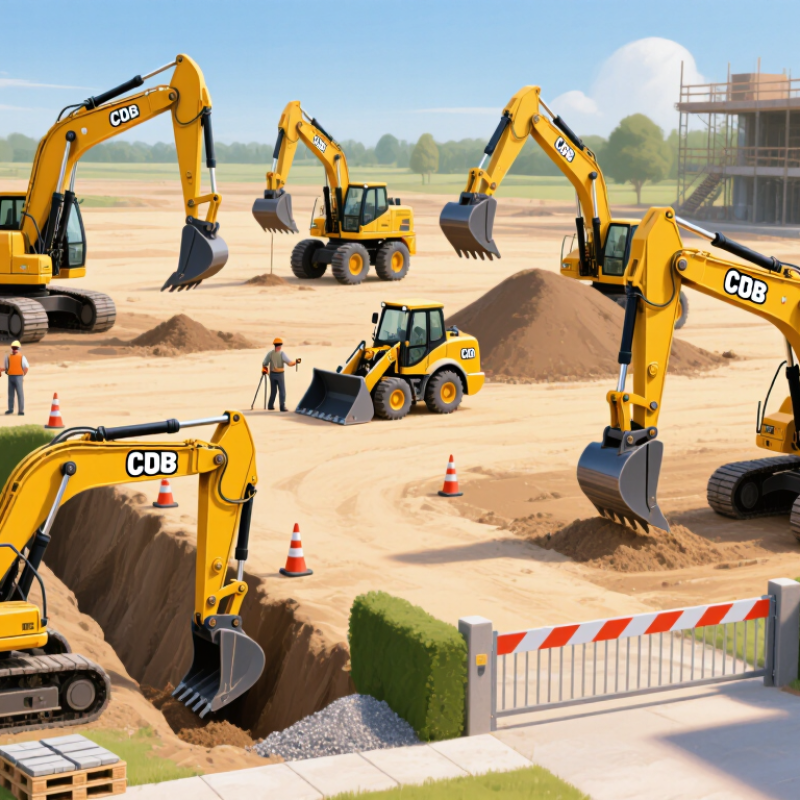
Match the machine to the work, not just the project title. List the actual tasks: digging narrow trenches, lifting pallets, grading a pad, or moving spoil. Then estimate daily quantities and working space. A compact excavator may suit a fenced backyard, while a larger machine can reduce cycle time on an open site. But larger is not always better. Check gate widths, overhead branches, turning room, ground bearing capacity, and travel routes before choosing. A muddy access track can make a capable machine impractical.
Site conditions affect both productivity and risk. The U.S. Bureau of Labor Statistics recorded 1,075 fatal work injuries in the construction industry in 2023. That figure does not identify one cause, but it reinforces the need to assess visibility, slopes, pedestrian routes, and underground utilities. Match machine weight and reach to the ground and the task; confirm limits in the manufacturer’s operating manual. If conditions change after rain, reassess. A plan can be wrong.
Tips: Measure the narrowest entrance and the softest ground. Ask the rental provider for operating weight, lift charts, and attachment compatibility. For a lift, compare the load’s weight and working radius with the machine’s rated capacity. Leave room for a spotter and safe access. Do not guess. Keep a note of assumptions, especially soil strength and daily output; those estimates often need revision once work begins.
How to Choose the Right Equipment for Your Project
Start with the work to be done, then compare machine size with the project scale and site access.
Typical operating-weight ranges are approximate and vary by model and configuration. Match the equipment class to the task and workload, and check access, ground conditions, and working space before choosing a machine.
Match JCB Equipment Types to the Work Required
Match equipment to the hardest repeated task, not the longest line on the estimate.
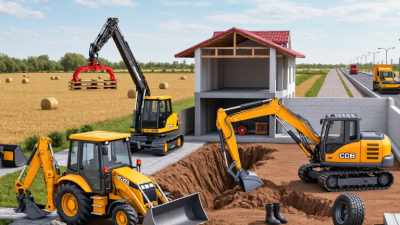
For narrow utility trenches or backyard drainage, a compact excavator can work between fences with less ground disturbance. Less swing. Less disruption. On open sites requiring digging, loading, and short-distance carrying, a backhoe loader may limit machine changes. Check its bucket capacity and reach against the actual spoil pile. For sustained excavation in soft or uneven soil, a tracked excavator offers traction and stability; wheeled models suit firmer ground and frequent repositioning. Measure the ground. A machine that looks powerful on paper may bog down on wet clay.
Choose loaders for repeated stockpile handling, and telehandlers when materials must be lifted to height or over obstacles.
Confirm load charts, lift height, attachment compatibility, and site access before dispatch. McKinsey Global Institute’s 2017 report, Reinventing Construction, found that construction labor productivity grew about 1% annually over the prior two decades, compared with 3.6% in manufacturing. That report does not isolate equipment selection, but it makes idle travel and waiting worth scrutinizing. A neat equipment plan can still miss muddy access, tight turning space, or a bucket that is too small. Walk the route and compare the machine’s working range with the real task, not an idealized site sketch.
Compare Machine Size, Capacity, and Key Specifications
Choosing equipment starts with the space it must work in. Measure gate openings, overhead clearance, turning room, and the ground near the work area. A compact machine can pass through a tight entrance, but may have less reach or lifting capacity. Small can still struggle. Check operating weight against soil conditions, especially on soft ground or finished paving.
Compare capacity at the actual working distance, not just the largest number on a specification sheet. Lift capacity often changes as the load moves farther from the machine. Match bucket size and digging depth to the material and trench dimensions, then check hydraulic flow if attachments are planned. Measure twice. Transport width, height, and total weight matter too; a machine that fits the site may still require a different trailer. I would leave some capacity in reserve rather than size the choice exactly to one task. That can mean a larger rental cost, and I still find that trade-off difficult. Review the figures against the site plan and ask an experienced operator to check access and load details.
How to Choose the Right JCB Equipment for Your Project? — Compare Machine Size, Capacity, and Key Specifications
| Machine Type |
Typical Operating Weight |
Primary Capacity |
Typical Working Range |
Typical Engine Power |
Common Project Uses |
| Compact Excavator |
1–6 tonnes |
Bucket: approximately 0.02–0.25 m³ |
Maximum digging depth: approximately 1.8–4.0 m |
Approximately 10–50 kW |
Landscaping, utility trenches, residential work, and access-constrained sites. |
| Mid-Size Crawler Excavator |
10–25 tonnes |
Bucket: approximately 0.4–1.2 m³ |
Maximum digging depth: approximately 5.5–7.0 m |
Approximately 70–150 kW |
General earthmoving, foundations, roadwork, and medium-scale excavation. |
| Backhoe Loader |
7–10 tonnes |
Loader bucket: approximately 0.9–1.3 m³ |
Backhoe digging depth: approximately 4.3–5.8 m |
Approximately 55–100 kW |
Mixed digging and loading, road maintenance, farm work, and smaller construction projects. |
| Telehandler |
5–12 tonnes |
Rated lift capacity: approximately 3–5 tonnes |
Maximum lift height: approximately 6–18 m |
Approximately 55–100 kW |
Moving pallets, materials handling, and placing loads at height or across obstacles. |
| Compact Track Loader |
3–7 tonnes |
Rated operating capacity: approximately 0.5–1.8 tonnes |
Typical bucket capacity: approximately 0.3–0.8 m³ |
Approximately 45–90 kW |
Grading, site cleanup, material handling, and work on soft or uneven ground. |
| Wheel Loader |
5–20 tonnes |
Bucket: approximately 1–4 m³ |
Typical bucket breakout force: approximately 40–160 kN |
Approximately 70–200 kW |
Stockpiling, loading trucks, aggregate handling, and high-volume material movement. |
Figures are indicative ranges for common machine classes, not specifications for a particular model. Actual operating weight, capacity, reach, and power vary by configuration and attachments. Check the selected machine’s specification sheet and rated-load chart before planning a lift.
Assess Costs, Availability, and Ownership Options
Choosing suitable equipment starts with the full job cost, not the advertised daily rate. Estimate working hours, fuel use, transport, attachments, and operator time. A machine that costs less per day may need extra trips or a separate attachment. Ask for an itemized quote, including delivery and pickup fees. Check whether the quoted rate covers weekends or only working days. Small details add up.
Availability can change the calculation. Confirm the machine’s size, attachment, and delivery window before scheduling crews. A unit sitting in a nearby yard may be more practical than one with a lower rate several hours away. Leave room for delays, especially when weather or site access is uncertain. I have seen a tight schedule make a modest rental look expensive. That matters.
Compare rental, lease, and purchase against expected use. Short, occasional work often favors renting, while frequent projects may justify ownership. But ownership brings storage, servicing, insurance, and repair costs. A used machine can reduce the purchase price, yet its maintenance history deserves careful review. Ask for service records and inspect tires, hydraulics, and controls. The neat spreadsheet answer may still be wrong; actual utilization is easy to overestimate. Keep a contingency in the budget.
Check Safety Features, Operator Needs, and Service Support
Choosing the right machine starts with the hazards on your actual site.
Check rollover protection, seat belts, visibility, backup alarms, and safe access steps. Match each feature to the ground, load, and working space.
The U.S. Bureau of Labor Statistics reported 1,075 fatal work injuries in construction in 2023.
This figure covers the sector, not equipment incidents alone, but it makes careful hazard checks hard to dismiss. Walk the route before choosing. Look for soft shoulders, overhead lines, tight turns, and blind spots.
Operator needs matter just as much.
Have the intended operator sit in the cab and test the controls, seat adjustment, sightlines, and entry points. A machine that feels awkward during a short trial may become tiring over a full shift. Small details matter. Ask about training, pre-start inspection routines, and clear load limits. Service support deserves the same scrutiny: confirm technician availability, parts access, response times, and maintenance intervals for your location. Request written details, not only a reassuring promise. One judgment call remains: a familiar machine may feel safer, but familiarity cannot replace a task-specific risk check. Revisit the choice if the site plan changes.