Blog

What Is JCB Equipment Used For?

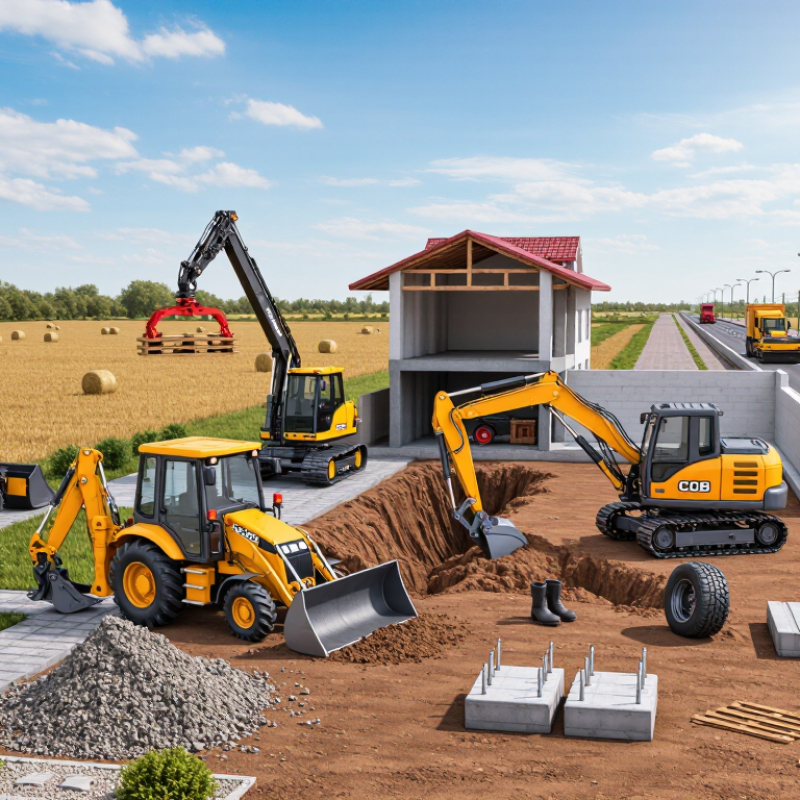
JCB equipment is used wherever raw power, precise control, and dependable mobility are needed. On a construction site, a backhoe loader can dig a trench, lift spoil, and place materials without changing machines. An excavator reaches deeper ground. A telehandler raises pallets beside unfinished walls. These examples show why JCB equipment remains valuable across demanding work environments.

Lord Anthony Bamford, JCB’s chairman, has said, “We are a company that makes things.” That simple statement reflects the company’s practical engineering approach. JCB equipment is built for construction, agriculture, road maintenance, landscaping, utilities, and waste handling. Each machine serves a different purpose, although real projects often require several machines working together. A farmer may use a loader for feeding livestock, while a contractor uses a similar machine for moving aggregate.

The details matter. Ground conditions affect track or tyre selection. Hydraulic capacity influences attachment performance. Operator visibility can affect both productivity and site safety. Experienced users also inspect pins, hoses, tyres, and fluid levels before demanding work begins. Small oversights become expensive problems.

Not every JCB machine suits every task. That is worth remembering. Choosing equipment only by engine size can lead to poor efficiency, excessive ground pressure, or unnecessary operating costs. The better decision considers payload, reach, fuel use, attachments, transport limits, and operator skill. This guide explains what JCB equipment is used for and how each machine fits real working conditions. It also examines the practical limits that sales descriptions may overlook.
What Is JCB Equipment Used For?

What Is JCB Equipment and How Does It Work?

This equipment is a broad family of construction machines built for digging, lifting, loading, and site preparation. It includes backhoe loaders, excavators, wheel loaders, and compact machines. Each model combines an engine, hydraulic system, controls, and a working attachment. That combination turns fuel or electric power into controlled movement. Simple in principle.

An engine drives a hydraulic pump, which sends pressurized fluid through valves and hoses. When an operator moves a joystick, the valve directs fluid to a cylinder or hydraulic motor. The cylinder extends or retracts, moving a boom, bucket, blade, or stabilizer. Tracks or wheels provide travel, while counterweights improve balance during lifting.

On a muddy site, traction and smooth control often matter more than maximum power. I have found that experienced operators listen for unusual pump noise and watch for slow movement. Small changes can reveal leaks, worn seals, or restricted filters.

Attachments expand the machine’s role. A bucket removes soil, a fork moves pallets, and a breaker handles concrete. Correct attachment matching protects the hydraulic circuit and improves productivity. Daily checks should cover fluid levels, pins, hoses, tires or tracks, and warning lights. Manufacturer manuals and trained technicians remain the safest sources for service limits. Performance is not always perfect. Operator judgment still decides whether a machine works safely and efficiently.

Key Types of JCB Equipment and Their Main Functions

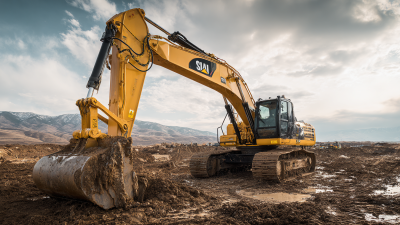
Construction equipment turns difficult site work into controlled, measurable tasks. Backhoe loaders dig trenches, lift spoil, and handle routine utility repairs. Their front buckets move soil, while rear digging arms reach below finished ground levels. Excavators suit deeper foundations, drainage channels, and demolition preparation. Tracked models remain stable on soft ground, although transport takes more planning. Ground conditions matter.

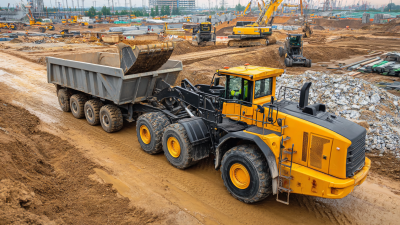
Wheel loaders carry loose aggregate between stockpiles, trucks, and batching areas. Large buckets improve production, but poor loading technique can waste fuel and damage the work surface. Telehandlers raise pallets, roof materials, and formwork to elevated platforms. Operators must match lift capacity with reach, load weight, and ground slope. Compact skid-steer loaders work well in tight spaces.

Attachments change their role. Brush cutters, augers, breakers, and sweepers support different site demands.

Compactors reduce air voids in soil or asphalt, helping roads resist settlement. Vibratory rollers need suitable passes and moisture control; more passes do not always mean better density.

Experienced supervisors check the manual, inspect fluids, and review visibility before each shift. That habit sounds basic. It prevents avoidable errors. Even skilled crews can choose the wrong machine when access, weather, or maintenance is overlooked. Actual performance depends on trained operators, verified attachments, and a site-specific risk assessment.

Construction and Infrastructure Uses of JCB Machinery

Heavy construction machinery supports demanding work on roads, building sites, and public infrastructure projects. Its main value comes from combining digging, lifting, loading, and grading in one working system. A backhoe loader can open a narrow trench, remove soil, and carry materials across uneven ground. This reduces equipment changes on smaller sites.

On road projects, excavators remove old surfaces and prepare drainage channels. Wheel loaders move aggregate into trucks or stockpiles near the work zone. Motor graders create a precise base before asphalt or concrete is placed. The operator watches the blade, ground moisture, and slope markings closely. Small errors can cause water to collect later.

Infrastructure work often includes bridges, pipelines, rail corridors, and utility networks. Compact machines can work beside buildings where larger equipment cannot turn safely. Telescopic handlers lift pipes, steel sections, pallets, and temporary barriers. Tracked machines spread their weight across soft soil, reducing surface damage. Still, they are not perfect. Mud, poor visibility, and crowded sites can slow production quickly.

Experienced crews inspect hydraulic lines, attachments, tires, tracks, and warning systems before each shift. They also match machine size to the soil, access route, and lifting requirement. Overloading creates unnecessary risk and may damage both equipment and the work surface. A careful operator measures twice, especially near buried services. That habit sounds simple. It prevents expensive rework.

What Is JCB Equipment Used For? - Construction and Infrastructure Uses of JCB Machinery
Equipment Type Primary Function Common Attachments or Tools Construction Uses Infrastructure Uses Best Suited For Key Operational Advantage
Backhoe Loader Combines a front loader with a rear hydraulic excavator. Loading bucket, digging bucket, hydraulic breaker, auger, forks and trenching tools. Utility trenching, foundation excavation, material loading, site preparation and backfilling. Roadside drainage, water and sewer repairs, cable installation and municipal maintenance. Small to medium projects requiring several tasks from one machine. Versatile and road-mobile, reducing the need to transport multiple machines.
Tracked Excavator Uses a hydraulic boom, arm and bucket for digging and material handling. General-purpose bucket, grading bucket, breaker, grapple, auger and compaction wheel. Deep excavation, basement work, bulk earthmoving, demolition and slope shaping. Bridge approaches, canal work, pipeline installation and large drainage projects. Heavy digging and work on uneven or soft ground. High digging force, precise hydraulic control and stable operation on tracks.
Wheel Loader Loads, carries and places loose materials using a front-mounted bucket. General-purpose bucket, high-capacity bucket, forks, grapple and snow-plow attachment. Aggregates handling, truck loading, stockpile management and site cleanup. Quarry access roads, asphalt plant supply, snow removal and material transfer. Frequent movement of soil, sand, gravel and demolition debris. Fast travel speed and high productivity on firm, prepared surfaces.
Compact Excavator Performs digging and utility work in confined areas. Trenching bucket, grading blade, breaker, auger and hydraulic clamp. Landscaping, residential foundations, service connections and light demolition. Sidewalk repairs, urban utility work, park construction and narrow drainage corridors. Urban sites, restricted access areas and projects with limited working space. Compact dimensions and reduced tail swing improve maneuverability around structures.
Telehandler Lifts and places materials at height or over obstacles with a telescopic boom. Pallet forks, material bucket, work platform, crane hook and truss boom. Roofing materials, masonry products, structural components and jobsite logistics. Bridge construction, utility structures, precast component handling and maintenance work. Sites requiring both reach and lifting flexibility. Combines the reach of a crane-like lifting tool with the mobility of a loader.
Skid-Steer Loader Provides compact loading, grading and attachment-powered work. Bucket, pallet forks, sweeper, trencher, cold planer, auger and brush cutter. Grading, material handling, concrete preparation, demolition and landscaping. Road patching, shoulder maintenance, snow clearing and drainage improvement. Short-cycle work in tight areas with frequent attachment changes. Small footprint, tight turning radius and compatibility with many tools.
Crawler Dozer Pushes, spreads and levels soil using a front blade. Straight blade, angle blade, universal blade and rear ripper. Rough grading, cut-and-fill operations, site clearing and embankment formation. Road formation, flood-control earthworks, airport construction and land reclamation. Large-scale earthmoving and terrain shaping. Tracks provide traction and low ground pressure on challenging terrain.
Vibratory Soil Compactor Compacts soil and granular materials to improve density and stability. Smooth drum, padfoot drum and vibration control system. Foundation pads, building platforms, trench backfill and retaining-wall zones. Road subgrades, embankments, pavement bases and airfield surfaces. Preparing stable layers beneath roads, buildings and other structures. Vibration transfers energy into the ground, reducing air voids and settlement risk.
Articulated Dump Truck Transports bulk excavated material across rough or uneven ground. Standard tipping body, ejector body and heated body for selected applications. Overburden removal, quarry haulage, earthworks and large excavation projects. Dam construction, highway cut-and-fill work, tunnel spoil removal and mine development. High-volume hauling where terrain is rough or haul routes are temporary. Articulated steering and all-wheel drive improve traction and maneuverability.
Road Planer or Milling Machine Removes a controlled depth of existing asphalt or concrete pavement. Standard milling drum, fine milling drum and conveyor discharge system. Repairing access roads, preparing paved surfaces and correcting surface levels. Road resurfacing, lane rehabilitation, intersection repairs and pavement recycling. Removing damaged or uneven pavement before resurfacing. Creates a measurable surface profile while allowing material recovery for recycling.
Loadall or Material Handler Handles materials using a telescopic boom and interchangeable tools. Forks, bucket, grab, bale clamp, platform and lifting hook. Moving blocks, timber, steel, pallets and waste around construction sites. Rail maintenance, bridge repair, utility depots and infrastructure materials handling. Material placement where access, height and visibility vary across the site. One machine can perform multiple lifting and loading tasks with different attachments.

Agricultural, Landscaping, and Industrial Applications

What Is JCB Equipment Used For?

Agricultural, Landscaping, and Industrial Applications

JCB equipment supports demanding work across farms, gardens, construction sites, and industrial yards. Its value comes from practical versatility, not just engine power.

On farms, loaders move feed, soil, manure, and harvested crops. Telehandlers lift pallets, hay bales, and machinery attachments safely when operators follow load charts. Tractors can prepare soil, tow equipment, and maintain field access roads. Wet ground changes everything. Poor tire selection may increase rutting and fuel use.

Landscaping crews use compact loaders and excavators for grading, drainage, trenching, and tree removal. A narrow machine can pass through a residential gate with less damage. Buckets shape planting beds, while forks move stone and timber. Good visibility matters near walls, irrigation lines, and workers. Small mistakes can become expensive repairs.

Industrial applications often involve material handling, site clearance, recycling support, and warehouse maintenance. Telehandlers place materials at height, while backhoe loaders dig foundations and service trenches. Attachments extend each machine’s role, but compatibility must be checked carefully. Hydraulic flow, weight limits, and ground conditions affect performance.

Operators should inspect fluids, tires, pins, safety guards, and warning systems before work begins. Clear communication reduces risks around moving equipment. Training also matters more than many new owners expect. A powerful machine cannot correct poor planning. Even experienced teams sometimes choose the wrong attachment or rush a final check. That is where careful review earns its value.

Factors to Consider When Choosing JCB Equipment

Choosing construction equipment starts with the job, not a familiar logo. Define material density, lift height, digging depth, ground pressure, and daily output. A compact loader may suit a narrow entrance, while an excavator needs swing clearance and stable soil. Measure the tightest access point. Do not trust average site dimensions. Record real cycle times during a trial, then compare them with rated figures. My first estimate was wrong.

Ownership cost also deserves careful attention. The American Rental Association’s 2024 forecast estimated U.S. construction and industrial equipment rental revenue at about $58.1 billion. This indicates strong demand for flexible access instead of permanent ownership. Compare purchase price, financing, fuel, maintenance, transport, insurance, and resale value. Rental can work well for seasonal projects. Long-term, high-utilization work may justify purchasing. Downtime hurts.

Workforce capability changes the decision. The Associated General Contractors of America’s 2024 Workforce Survey found that 94% of firms struggled to fill salaried positions, while 85% struggled to find hourly craft workers. Simple controls, operator training, remote diagnostics, and accessible service support can reduce that pressure. Check parts availability and documented response times. Ask for maintenance records, not promises. A cheaper machine may become costly after three idle days waiting for one hydraulic hose. Reconsider the attachment choice, too. One versatile attachment can outperform several rarely used tools, but only after testing its actual productivity.

What Is Construction Equipment Used For?

Typical operating weight helps match equipment to the required lifting capacity, ground conditions, transport limits, and project scale. The figures below are representative midpoints of common operating ranges for general construction equipment.

Excavators are commonly used for digging and trenching, backhoe loaders for excavation and utility work, wheel loaders for loading and material handling, telehandlers for lifting materials, and articulated dump trucks for transporting large volumes of earth and aggregate.