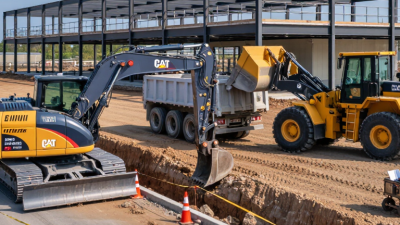
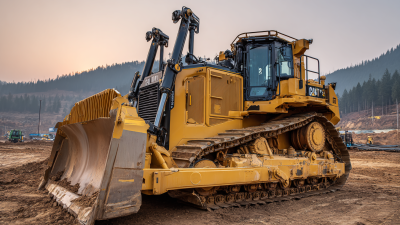
How to Choose the Right Caterpillar Equipment?
Choosing the right caterpillar equipment starts with the worksite, not the machine catalogue. A compact excavator may suit a narrow urban project, while a larger model can move more material on an open earthmoving site. Ground conditions matter, too. Wet clay, loose gravel, and uneven rock place different demands on traction, reach, and stability. A machine that looks powerful on paper may still be poorly matched to daily tasks.
Before comparing models, define the jobs, materials, operating hours, and transport limits involved. Check key specifications such as operating weight, bucket capacity, fuel use, attachment compatibility, and service access. Ask operators what slows them down; a blocked service panel or awkward cab can matter over a long shift. Then compare dealer support, parts availability, warranty terms, and total ownership costs, not only the purchase price. Details add up.
Experience helps, but it does not remove uncertainty. Site conditions can change, and estimates may miss a difficult access point or a seasonal shift in soil. Reviewing the machine with an experienced operator and a qualified dealer can expose those gaps before a purchase. This guide outlines practical questions to ask, trade-offs to weigh, and common selection mistakes to avoid. The best choice is not always the largest or newest machine. It is the one that can perform the required work safely, reliably, and efficiently across the conditions it will actually face.
Define the Project Requirements and Working Conditions
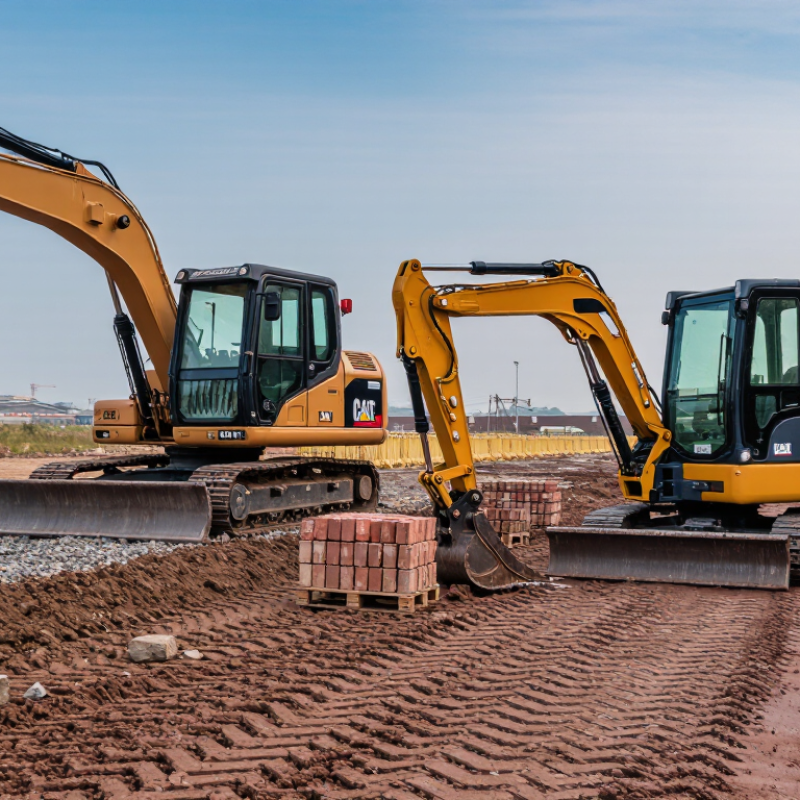
Before choosing equipment, define the work in measurable terms. Record the material type, daily volume, required reach, and expected operating hours. A loader moving damp clay needs different traction and bucket capacity than one handling dry gravel. For trenching, note the planned depth, width, and distance from nearby structures. Small details matter.
Describe the site as it really is, not as it looks on a clear day. Measure gate openings, turning space, ground slope, and overhead clearance. Check whether soft soil, standing water, or tight access could limit machine size. Be specific. Then compare these conditions with published operating limits, including rated capacity and lift or digging range. Consider attachments, transport needs, fuel access, and the operator’s experience, too. Early estimates are rarely perfect; soil can change after rain, and material piles may grow. Revisit the plan with the crew before committing, especially if the work area is shared or likely to shift.
Identify the Caterpillar Equipment Category for the Task
Choosing the right equipment starts with naming the task, not picking a machine by size.
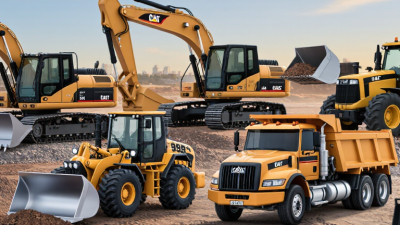
Earthmoving, material handling, grading, and hauling each call for different strengths. A compact excavator can open a narrow trench beside a building. A crawler dozer can push soil across soft ground. A wheel loader suits repeated trips between a stockpile and a truck.
Small details matter.
Match the category to the site conditions. Check the material, required reach, travel distance, ground firmness, and available working space. For example, a dump truck may move loads efficiently on a firm haul road but struggle where turns are tight or surfaces are soft.
Compare machine capacity and attachment compatibility with the job plan, then review the operator’s manual and equipment specifications. Horsepower alone can be a tempting shortcut; it may overlook reach, stability, or access. A category label is only a starting point. The first choice may need revisiting when site conditions change.
Compare Machine Size, Capacity, and Key Specifications
Compare operating weight, rated payload, bucket capacity, reach, and dump height against the actual job. A large bucket is not automatically productive. If the machine cannot safely carry a full load or turn on a narrow site, extra capacity may sit unused. Check transport width, ground pressure, and clearance too. A low bridge or soft access road can rule out an otherwise suitable model.
Check the route.
For digging, compare maximum reach and depth with the trench plan; for loading, check dump height against the truck body. Match hydraulic flow and attachment weight to the tools you will use.
The U.S. EPA’s 2014 Tier 4 Regulatory Impact Analysis reports reductions of about 90% in particulate matter and 50% in nitrogen oxides versus earlier nonroad engine standards. Treat emissions tier as one specification, not proof of lower fuel use or better output. The U.S. Army Corps of Engineers’ Equipment Ownership and Operating Expense Schedule can help estimate hourly ownership and operating costs. Verify assumptions against local fuel, service, and rental rates.
A rated capacity can still mislead. Soil, slope, and operator technique change real performance, sometimes more than a brochure suggests. I would record the heaviest routine load and the tightest turning space before comparing machines.
Assess Attachments, Fuel Use, and Operating Costs
Choose attachments by matching their hydraulic flow, pressure, and working width to the machine’s specifications. A high-flow attachment can be inefficient on a low-flow machine. It may also run hot. Check the couplers, carrier weight, and rated lifting capacity before purchase. Then estimate fuel use under the actual duty cycle, not from a brochure’s best-case figure.
The U.S. Energy Information Administration reported an average U.S. retail diesel price of $3.76 per gallon in 2024. At an assumed eight gallons per hour and 1,000 annual operating hours, fuel alone would cost about $30,080 at that price. Your site’s idle time and local fuel prices can change this sharply.
EquipmentWatch’s 2024 Cost Recovery Handbook separates ownership and operating costs, a useful approach when comparing machines. Include maintenance, repairs, tires or tracks, and attachment wear in the hourly estimate. Keep the assumptions visible.
I still find estimates easy to over-trust when idle time is guessed rather than logged. A week of fuel receipts and hour-meter readings may reveal a less tidy picture.
Check Dealer Support, Parts Availability, and Service Options
Choosing equipment is only part of the decision. The dealer’s support can shape how reliably it works after delivery. Ask who handles field repairs and how quickly technicians usually reach your worksite. A service truck arriving before the morning shift can prevent a small fault from costing a full day. Ask about evening or weekend coverage, too. Availability may vary by location.
Check parts availability with specific examples. Ask whether common filters, hoses, belts, and wear items are stocked locally, and how long less common components usually take to arrive. A parts counter’s answer is more useful when it includes realistic lead times, not just “we can order it.” If possible, visit the parts area and ask how urgent orders are tracked. Look closely. A tidy shelf is not proof of strong inventory, but unanswered questions matter.
Compare service options before signing. Request clear details on scheduled maintenance, diagnostic fees, travel charges, and warranty repairs. Find out whether technicians can service the machine at your site or require transport to a workshop. Read the service terms yourself; it is easy to overlook exclusions when discussing price. A simple written estimate can reveal costs that a quick conversation misses. Keep a record of response times and parts delays during the first months. Real performance may differ from the promise, and that difference deserves attention.
How to Choose the Right Equipment
Suggested evaluation weights for comparing dealer support, parts availability, and service options.
Use these suggested weights as a starting point, then adjust them to match your operating needs. They are a decision framework, not market survey results.