Why Choose the Right Water Meter?
Choosing the right Water Meter is a practical decision with lasting effects. In a home, an apartment block, or a small factory, the meter records the water passing through a pipe. Its accuracy can shape monthly bills, reveal unusual use, and support better maintenance. A poorly matched model may struggle with low flows, pressure changes, or the site’s installation conditions.
Water-metering specialist Dr. Lena Ortiz puts the principle this way: “A useful meter makes water use visible, but only when its range and installation fit the job.” A meter’s size, flow range, connection type, and reading method all deserve attention. For example, a property with steady demand may need a different setup from one with brief, sharp flow peaks. A clear display matters, too, especially when readings are taken in a dim utility room or a cramped pit.
No single meter suits every site. That is easy to overlook. Buyers should check manufacturer specifications, local utility requirements, and maintenance needs before choosing. They should also consider whether remote readings would save staff time, or merely add features they will not use. The right choice can improve visibility and reduce avoidable surprises, but it cannot fix leaks or poor plumbing on its own. A careful selection starts with real flow conditions, not the most impressive product description.
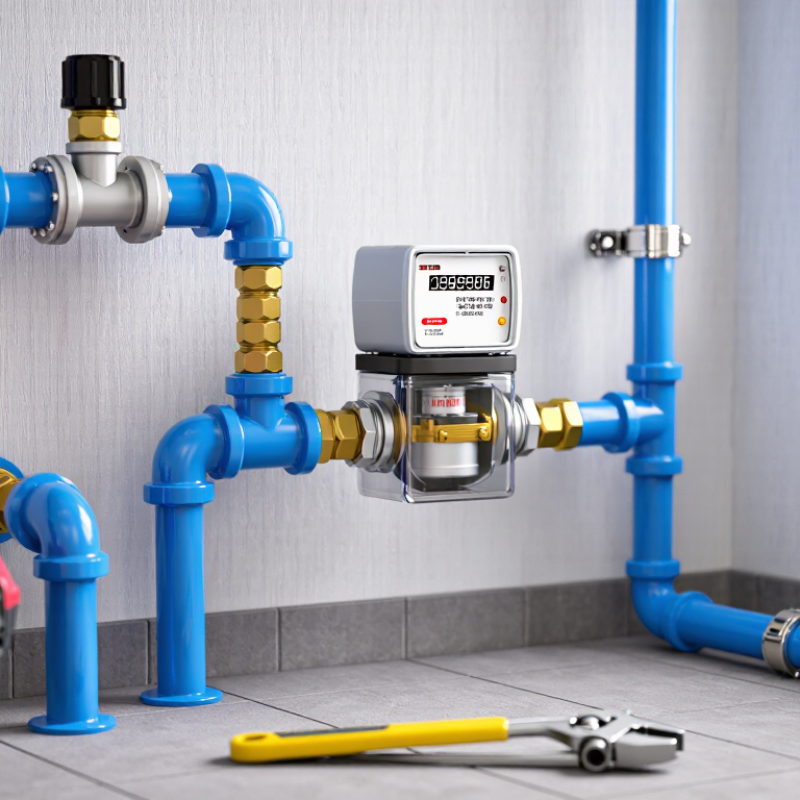
What a Water Meter Measures and How It Works
Why Choose the Right Water Meter?
What a Water Meter Measures and How It Works
A water meter records the volume of water passing through a pipe, usually in gallons or cubic metres. It does not measure water quality, and it cannot tell you whether water is safe to drink. Not its job. The meter’s register adds each measured amount to a running total, much like an odometer records distance.
Different meters sense flow in different ways. A mechanical meter may use water to turn a small rotor or move a chamber. The meter converts that movement into volume. Ultrasonic models compare sound signals travelling with and against the flow. They estimate how quickly water moves, then calculate its volume through the pipe. A digital display or remote-reading system can show totals and, in some cases, usage patterns over time.
Those patterns can be useful. A steady overnight reading may suggest a running toilet or a dripping fixture, though it does not identify the source by itself. USGS estimated that U.S. public water supplies withdrew about 39 billion gallons daily in 2015, underscoring why reliable measurement matters at scale (Dieter et al., USGS Circular 1441, 2018). Still, a meter is not a perfect witness. Air, debris, wear, or installation conditions can affect readings, so unusual results deserve a closer check rather than an instant conclusion.
Why Choose the Right Water Meter?
A water meter measures the volume of water that passes through it. This illustrative example shows how flow rate over a fixed time determines the volume recorded.
For example, a flow of 4 liters per minute over 5 minutes passes 20 liters through the meter. Choosing a meter suited to the expected flow helps it measure water use reliably, including when flow is low.
Main Types of Water Meters and Their Uses
Water meters differ in how they measure flow, so the right type depends on pipe size, flow range, and water quality. AWWA’s Manual M6 describes these practical selection factors. Positive-displacement meters suit many homes because they register small, changing flows, such as a toilet refill or a slowly dripping tap. They have moving parts, though, which can wear over time.
Turbine meters work well where flow is steadier and faster, including larger service lines. Compound meters combine measuring mechanisms to cover both low and high demand, but their added complexity may not suit every site. Electromagnetic meters have no moving parts in the flow path and can serve large pipes; they require electrically conductive water. Ultrasonic meters measure flow using sound. Some models clamp onto a pipe, avoiding a cut, but installation conditions can affect readings.
The scale is substantial: USGS Circular 1441, Estimated Use of Water in the United States in 2015, reports 322 billion gallons withdrawn daily nationwide, including 39 billion gallons per day for public supply. Those figures help explain why utilities need meters suited to very different flows. Still, the meter itself is only part of the decision. Installation, maintenance, and accurate sizing matter too. A meter that performs well on paper can disappoint if the actual flow range was guessed rather than measured.
Factors to Consider When Selecting a Water Meter
Why Choose the Right Water Meter?
Factors to Consider When Selecting a Water Meter
Selecting a water meter starts with understanding the water, not just the pipe size. Measure typical and peak flow rates, then compare them with the meter’s operating range. An oversized meter may miss small flows, such as a slow overnight leak. An undersized one can create excessive pressure loss during busy periods. Check expected accuracy at both low and high flow.
Water quality matters. Sediment, air, temperature, and chemical content can affect performance and service life. For example, a building with visible grit may need upstream filtration or a meter designed for tougher conditions. Consider installation space, straight-pipe requirements, orientation, and access for reading or maintenance. A cramped meter cabinet can turn a simple inspection into an awkward job. It happens.
Compare total ownership cost, not only the purchase price. Include installation, calibration, communication options, power needs, and expected maintenance intervals. Decide whether manual readings are practical or remote data could help identify unusual use. Confirm that the meter’s materials and measurement method suit the application, and review independent test documentation where available. Specifications can look convincing on paper; real flow patterns may differ. Verify assumptions with site measurements, since even careful estimates can miss how a system behaves day to day.
How Meter Accuracy Affects Billing and Water Management
Why Choose the Right Water Meter?
A water meter turns flow into a billable number. If it under-registers, a utility may lose revenue; if it over-registers, customers may pay for water they did not use. The AWWA M36 manual includes customer-meter inaccuracies among “apparent losses” in water audits. Small errors can add up across thousands of connections. Meter size, age, and low-flow performance all matter.
The scale is substantial. The U.S. Geological Survey’s 2015 water-use report estimated public-supply withdrawals at about 39 billion gallons per day. Accurate readings help utilities compare water entering the network with customer consumption, investigate unexplained gaps, and plan repairs. They also give households a clearer signal when usage changes. EPA WaterSense estimates that household leaks can waste nearly 10,000 gallons each year. Some are hard to spot.
A meter cannot identify every leak or explain every unusual reading. Still, dependable low-flow measurement can make a slow toilet leak or overnight pipe loss easier to notice. Utilities should check meters against appropriate testing procedures and review readings over time, rather than treating one installation as a permanent guarantee. That work takes effort. But better data supports fairer billing and more informed water management.
Installation, Maintenance, and Replacement Requirements
Why Choose the Right Water Meter?
Installation, Maintenance, and Replacement Requirements
A water meter needs more than a suitable pipe size. Before installation, check the meter’s flow range, connection type, and approved orientation against the site conditions. A meter installed backward or under strain can give unreliable readings. Follow the manufacturer’s instructions and utility requirements, and keep the register accessible for future checks. Leave enough room to read it without moving a toolbox or reaching behind hot equipment. Small details matter.
After installation, inspect joints for moisture and confirm that readings change when water is used. Record a baseline reading; it makes unusual consumption easier to spot later. Check the meter periodically for leaks, corrosion, a fogged display, or a reading that seems out of step with actual use. Don’t assume every high bill means the meter is faulty. A running toilet or irrigation leak can look similar. If readings remain questionable, ask a qualified technician about testing and calibration.
Replacement may be needed when the register fails, the body is damaged, or accuracy testing shows performance outside the required range. Age alone is not always enough to decide; service conditions and utility schedules differ. Plan the change so water can be shut off safely, the pipe connections can be checked, and the new meter can be verified after installation. I’ve seen careful work still miss a small seep at a coupling. Recheck it. A dry joint the next day is reassuring.