What Is Cobalt Alloy 6B and Where Is It Used?
Cobalt Alloy 6b, commonly known as Stellite 6B, is a wrought cobalt-chromium alloy built for severe surface wear. Its chemistry combines cobalt, chromium, tungsten, and carbon. That structure supports hardness, hot-strength retention, and resistance to galling. John R. Davis, author of ASM’s Nickel, Cobalt, and Their Alloys, describes cobalt-base alloys as materials valued for “wear resistance, corrosion resistance, and high-temperature strength.” This sentence captures the alloy’s practical purpose. It survives where ordinary steels may seize, deform, or lose their protective surface. Not perfectly, though. Its performance depends heavily on temperature, counterface material, lubrication, and finishing quality.
Cobalt Alloy 6b appears in valve seats, pump components, cutting tools, hot-forming equipment, and high-temperature industrial machinery. Engineers also consider it for parts exposed to abrasive particles and repeated metal-to-metal contact. The U.S. Geological Survey’s Mineral Commodity Summaries 2024 identifies cobalt as a strategic industrial metal used in superalloys, wear-resistant materials, and energy technologies. The International Energy Agency’s Global Critical Minerals Outlook 2024 further reports strong long-term demand for cobalt across advanced manufacturing and clean-energy supply chains. These reports describe the wider cobalt market, not Stellite 6B alone. That distinction matters.
A 2023 market review by Grand View Research also links cobalt alloys with aerospace, automotive, and power-generation applications. Yet broad market figures can conceal component-level realities. A valve working at 600°C faces different risks from a mining nozzle handling quartz-rich slurry. Material selection should therefore begin with load, temperature, wear mode, and repair conditions. Cobalt Alloy 6b is highly capable. It is not automatically the best choice. Cost, cobalt supply volatility, machining difficulty, and application-specific testing still deserve careful attention.
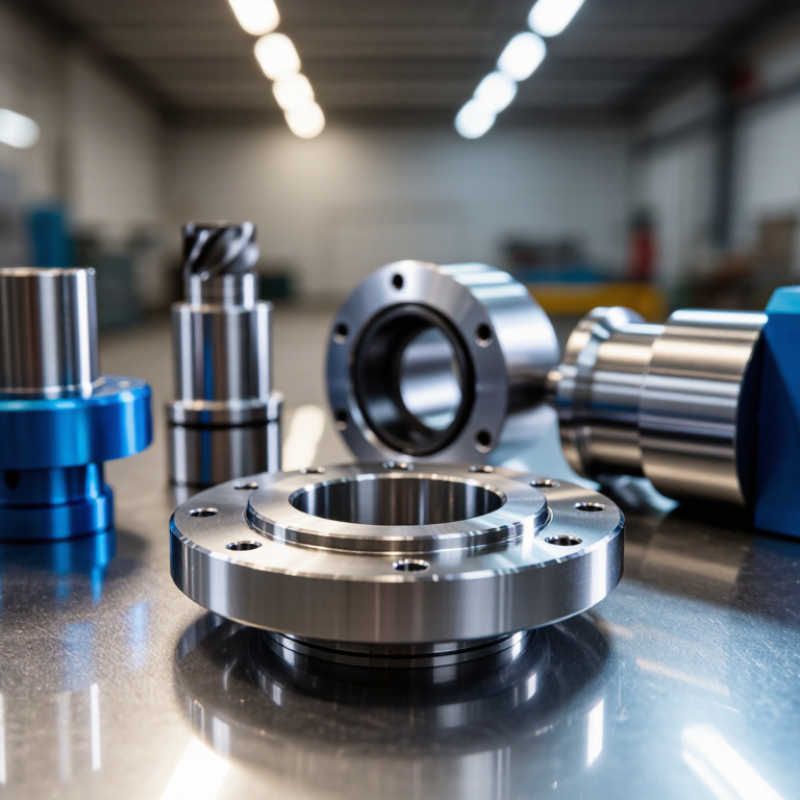
Composition and Classification of Cobalt Alloy 6B
What Is Cobalt Alloy 6B and Where Is It Used?
Composition and Classification of Cobalt Alloy 6B
Cobalt Alloy 6B is a cobalt-based alloy designed for severe wear and elevated temperatures. Its structure usually contains cobalt, chromium, tungsten, carbon, silicon, manganese, nickel, and iron. Cobalt forms the matrix, while chromium improves oxidation and corrosion resistance. Tungsten and carbon create hard carbide particles inside the metal.
Typical specifications list about 28–32% chromium and 3.5–5.5% tungsten. Carbon commonly remains near 0.9–1.4%. The exact chemistry can change between standards and production batches. That detail matters. In engineering practice, Alloy 6B is classified as a cobalt-chromium-tungsten hardfacing alloy, often supplied as cast components or deposited wear layers. It is selected for valve seats, pump parts, cutting edges, and sliding surfaces. These parts may face heat, pressure, abrasion, or metal-to-metal contact.
Tips: Check the material certificate before machining or welding. Hard carbides can wear cutting tools quickly. Use suitable carbide tooling, steady feeds, and careful cooling. Do not assume every 6B product has identical properties. Service temperature, counterface material, and lubrication can change performance. From practical inspection, surface cracking may appear after careless heating. That does not always mean the alloy is unsuitable, but it deserves investigation.
Key Physical and Mechanical Properties
Cobalt Alloy 6B is a cobalt-chromium-tungsten alloy designed for demanding sliding and wear conditions. Its key advantage is a hard surface that resists abrasion, galling, and metal-to-metal contact. Chromium contributes to oxidation and corrosion resistance, while tungsten and carbon help form hard phases within the alloy. The balance matters: excellent wear resistance does not mean immunity to damage. Under impact or poor lubrication, components can still chip or wear unevenly.
The alloy retains useful hardness at elevated temperatures, making it suitable for valve seats, pump parts, bearings, and other components exposed to heat and friction. Its strength and wear behavior depend on product form, processing, and service conditions. A component’s geometry matters, too; a thin edge may behave differently from a broad bearing surface. One limitation is that this alloy can be difficult to machine compared with common steels. That cost and fabrication effort may be justified in severe service, but not in every application.
Tips: Check the supplier’s material certificate and confirm the applicable specification before design or repair. Match the alloy to the actual temperature, load, lubricant, and contact surfaces. Test the finished component when failure would be costly. Small details matter. Avoid assuming that a high hardness value alone predicts service life; real wear depends on the whole system, and that can be easy to overlook.
How Alloy 6B Is Manufactured and Supplied
Cobalt Alloy 6B is a wear-resistant cobalt-chromium-tungsten alloy, commonly identified as UNS R30016. Its high chromium content supports oxidation and corrosion resistance, while tungsten and carbon contribute to hardness and resistance to sliding wear. It is used in demanding components such as valve seats, pump parts, and cutting edges. The exact chemistry and properties depend on the product specification, so buyers should check the certified material test report rather than rely on a generic description.
Manufacturing starts with controlled melting and casting, followed by hot working, such as forging or rolling, to produce bars, sheets, or plate. Heat treatment and finishing are selected for the required dimensions and service conditions. It is not a simple recipe: processing history can affect hardness and machinability. Suppliers typically provide mill forms or cut-to-size stock, with traceability documents supporting verification of composition and mechanical properties. Ask about stock size and lead time early; availability can vary. A detail that is easy to overlook.
Supply also depends on cobalt availability. The US Geological Survey’s Mineral Commodity Summaries 2025 estimates global mine production at 290,000 metric tons in 2024, with the Democratic Republic of the Congo accounting for about 220,000 tons. These figures describe mined cobalt, not Alloy 6B output, but they help explain why raw-material sourcing and delivery times deserve attention. Buyers should confirm specification, condition, tolerances, and documentation before ordering.
Cobalt Alloy 6B: Typical Composition and Uses
Alloy 6B is a cobalt-based, wear-resistant alloy. Chromium, tungsten, and carbon help provide hardness and resistance to wear, galling, and corrosion.
Typical composition ranges by weight: chromium 28–32%, tungsten 3.5–5.5%, and carbon 0.9–1.4%. Cobalt makes up the balance. Alloy 6B is commonly supplied as plate, sheet, bar, and finished components for severe sliding-wear applications, including valve parts, bearings, and pump components.
Industries and Components That Use Alloy 6B
Cobalt Alloy 6B is a cobalt-chromium-tungsten alloy valued for resisting wear, galling, and corrosion. Its hardness helps when metal surfaces repeatedly rub or slide against one another. That makes it useful in demanding industrial components, though it is not automatically the right choice for every harsh environment.
In chemical processing equipment, Alloy 6B may be used for valve parts, pump components, and seats exposed to abrasive fluids. In power generation and heavy industry, it can serve in burner parts, guide components, and wear surfaces subject to heat and friction. Oil and gas equipment may use it for choke and valve components where erosion is a concern. Surgical instruments and industrial cutting tools are other applications, depending on design and operating conditions.
Small contact areas matter. A valve seat, for example, may face repeated pressure and sliding, while a large casing has different demands. Alloy 6B can be supplied as bar, plate, or finished parts, then machined with suitable tooling; its hardness can make fabrication slower than with softer alloys. Engineers should check temperature, mating materials, lubrication, and corrosion exposure before specifying it. Wear resistance alone is not enough. Real service conditions can surprise you.
Factors to Consider When Selecting Alloy 6B
When selecting Cobalt Alloy 6B, start with the actual wear mechanism, not just a hardness figure. The alloy’s cobalt-chromium-tungsten matrix can resist galling, abrasion, and metal-to-metal contact. But performance changes with load, temperature, lubrication, and the opposing surface. A valve seat facing repeated impact needs different consideration from a sliding sleeve exposed to fine particles. Test conditions matter.
Check the operating environment carefully. Alloy 6B offers useful wear and corrosion resistance, but it is not immune to every chemical or temperature cycle. Identify the fluid, contaminants, peak temperature, and expected contact pressure. Then compare those conditions with technical data from a qualified supplier. Ask for material certification and confirm the specified grade and product form. Small details count.
Also consider how the part will be made and maintained. The alloy can be challenging to machine, so part geometry, finishing requirements, and available tooling affect cost and lead time. Review whether a coating, hardfacing, or different alloy could meet the same duty with simpler fabrication. That assumption can be wrong. A short trial using representative mating parts may reveal scoring or excessive wear before production begins. Check tolerances, too. A few microns can matter in a close-running assembly.