
Blog

10 Tips for Buying Prehung Doors Online

Buying Prehung Doors online is no longer unusual. The U.S. Census Bureau reported that e-commerce represented 16.1% of total retail sales in 2024. That shift gives homeowners wider access to sizes, finishes, and manufacturer specifications. It also creates new risks. A product photo cannot reveal a warped jamb, damaged threshold, or incorrect swing direction.

Industry guidance supports careful verification. The Window and Door Manufacturers Association (WDMA) emphasizes performance, installation quality, and product labeling. The National Association of Home Builders also highlights accurate openings and proper installation as essential to durable residential construction. These principles matter online. A small measurement error can turn a well-priced door into an expensive return.

Measure twice. Photograph the opening. Confirm the rough opening, jamb depth, handing, bore location, threshold type, and wall thickness. Check whether the unit includes hinges, casing, weatherstripping, and a lock bore. Exterior models may require specific water-resistance ratings. Fire-rated doors need certified labels and compatible hardware, not attractive marketing language. Delivery deserves equal attention. Inspect the carton before signing, then document dents or crushed corners immediately.

This guide presents ten practical tips for buying Prehung Doors online with greater confidence. It focuses on specifications, seller credibility, shipping protection, and installation readiness. Some advice may seem obvious. It is still easy to overlook. Even experienced renovators can trust a familiar size and order the wrong handing. Careful decisions begin before checkout, not after the door arrives.
10 Tips for Buying Prehung Doors Online

Define Prehung Door Types, Materials, and Configurations

Buying a prehung door online starts with identifying the door type, not choosing a finish. A prehung unit includes the slab, frame, hinges, and often pre-installed casing. Interior units usually use lighter construction and smaller jambs. Exterior units need weather resistance, tighter seals, and stronger hardware. Choose a single door for narrow openings. A double-door configuration creates a wider passage but requires more clearance. French doors may have one active leaf and one inactive leaf. That detail matters.

Material affects weight, maintenance, insulation, and price. Solid wood offers natural grain and repairable surfaces, but it can swell with moisture. Engineered wood is more stable, although its edges still need protection. Steel provides security and a firm feel. Fiberglass resists dents and weather, yet lower-quality panels can look less convincing. For a humid entry, I prefer a sealed surface and a composite or fiberglass frame. That is practical, not universal. Check the threshold, sill, and weatherstripping details in the listing.

Configuration errors cause many online returns. Measure the rough opening at the top, middle, and bottom. Record width, height, wall thickness, and swing direction. Stand outside the room and note where the hinges sit and which way the door moves. A left-hand label can vary by seller. Confirm the seller’s diagram before ordering. I once trusted a familiar measurement and overlooked the jamb depth. The door fit, but the trim did not. That small mistake changed the installation plan. Leave room for imperfect walls. A qualified installer can verify the opening before purchase.

Measure the Door Opening and Confirm Accurate Dimensions

10 Tips for Buying Prehung Doors Online

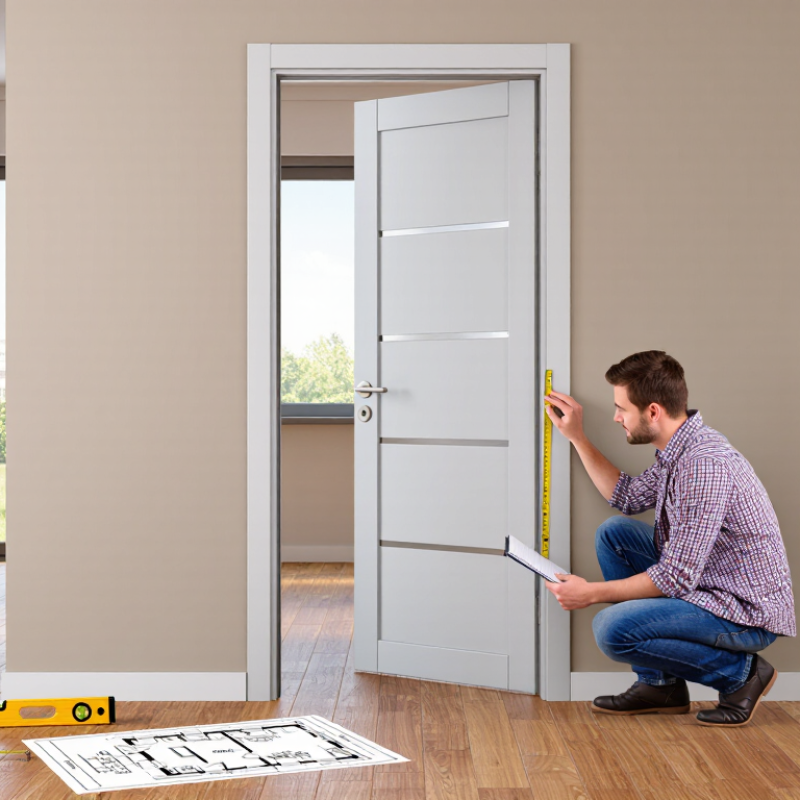
Measure the rough opening, not only the visible door panel. A prehung unit includes the slab, frame, hinges, and clearance space. Measure the width at the top, middle, and bottom. Record the smallest number. Then measure height on both sides and through the center. Floors can slope slightly, even when they look level. Measure the wall thickness and jamb depth too. These details affect fit and trim alignment.

Tip: Write every measurement twice. A quick sketch can prevent a costly mistake. Do not assume a “standard” opening. Check the seller’s technical dimensions, hinge placement, swing direction, and required installation clearance. Leave room for shims, but do not expect shims to correct a major sizing error. I once trusted one width measurement and missed a narrow section near the floor. It was an avoidable mistake.

Look for uneven studs, old flooring, thick carpet, and existing trim before ordering. A replacement door may need different clearance from a new construction opening. Confirm whether the listed size describes the door slab or the complete prehung unit. Ask for the exact outside frame dimensions when the listing seems unclear. Save your measurements, product details, and installation instructions together. Recheck everything before purchase, because online images cannot reveal a twisted frame or a slightly out-of-square opening.

Compare Door Ratings, Hardware, and Installation Features

When buying prehung doors online, compare ratings before comparing finishes. Check the U-factor, air leakage, sound rating, and any fire-resistance label. These numbers describe performance, not appearance. Confirm that the rating applies to the complete door assembly, including the frame and glass. Requirements can vary by location, so verify local building rules before ordering.

Tip 1: Measure twice, especially the rough opening, wall thickness, and swing direction. A product page may list slab dimensions instead of the full assembled size. Check the jamb depth carefully. I once focused on the door width and overlooked a shallow jamb, creating extra trim work. That mistake was avoidable.

Hardware also deserves close attention. Confirm hinge count, hinge finish, lock bore size, strike plate style, and included screws. Some assemblies include basic hardware only. Others require separate handles, shims, or longer fasteners. Read the installation instructions before checkout. Look for adjustable thresholds, compression weatherstripping, and predrilled alignment features. These small details affect drafts and closing effort.

Tip 2: Compare installation features, not just price. A factory-installed frame can save time, but it still needs a level opening and careful shimming. Check whether the unit is left- or right-handed, inswing or outswing, and suitable for interior or exterior exposure. Online photos can hide uneven floors. They can also make colors look warmer than reality. Order samples when available, and question unclear specifications before paying.

10 Tips for Buying Prehung Doors Online

Compare door ratings, hardware, and installation features before placing an order. The chart counts the objective specifications shoppers should verify in each category.

Checklist basis: Door rating includes fire rating, energy or weather performance, size, and certification details. Hardware includes hinge count, hinge type, lock preparation, bore dimensions, and included hardware. Installation fit includes handing, rough-opening size, jamb depth, threshold or sill details, and installation instructions.

10 practical tips: Confirm the exact door size, measure the rough opening, check jamb depth, verify handing, compare fire-rating labels, review energy or weather-performance details, inspect hinge specifications, confirm lock and bore preparation, check what hardware is included, and review delivery, return, and installation requirements.

Evaluate Online Sellers, Product Details, and Customer Reviews

Buying prehung doors online starts with judging the seller, not the photograph. I check how long the business has handled doors, its contact details, and its return policy. A clear warehouse address and responsive support increase confidence. Ask whether damaged shipments require photos before replacement approval. Small details matter. I once trusted a polished website and missed a restrictive return window. That mistake still influences my checklist.

Read product details like a measurement sheet. Confirm slab width, height, jamb depth, swing direction, handing, rough opening, and included hardware. Verify whether the frame is primed, finished, or unfinished. Product images can hide threshold height and hinge placement. Request a technical drawing when dimensions seem vague. An experienced installer may catch conflicts, but your wall conditions remain your responsibility. I have measured twice and still ordered the wrong handing.

Customer reviews are useful when they describe evidence, not just satisfaction. Look for comments about packaging, corner protection, alignment, finish quality, delivery timing, and support after damage. Recent reviews matter because suppliers can change production or fulfillment methods. Read low ratings carefully, then compare repeated complaints with detailed positive reports. Photos showing a door in its opening carry more weight than generic praise. Review patterns help, but they cannot replace written specifications and direct questions. Ask in writing. Save the reply.

Order Safely and Prepare for Delivery and Installation

Buying a prehung door online is convenient, but safe ordering requires careful measurements. Measure the rough opening in three places for both width and height. Record the smallest dimensions. Check wall thickness, jamb depth, swing direction, and hinge placement before paying. A product photo cannot confirm these details.

Ask the seller how the door will be packed and delivered. Confirm the return policy for damaged or incorrectly sized units. Request tracking information and inspect the package before signing. Look for crushed corners, split jambs, broken glass, or twisted frames. Take clear photos immediately. Do not throw away the packaging. It may support a damage claim.

Delivery day needs preparation. Clear a dry, level path from the truck to the installation area. Prehung doors are awkward and often need two people. Keep the unit flat or upright as the instructions require. Let wood components adjust indoors before installation. Measure the opening again. I once trusted an earlier measurement and had to rebuild part of the opening. That mistake was avoidable. Use shims near every hinge and the strike plate, then check the jamb for plumb. Test the door before fastening everything. It should open smoothly without rubbing. Small alignment errors become obvious later. Expect some adjustment.

10 Tips for Buying Prehung Doors Online - Order Safely and Prepare for Delivery and Installation

No. Buying or Preparation Point Important Measurement or Fact What to Verify Online Safe Action Before Delivery or Installation
1 Measure the existing opening Measure width at the top, middle, and bottom; measure height at both sides and the center. Confirm whether the listed size refers to the door slab, the frame, or the rough opening. Use the smallest width and height measurements when checking fit, and record the wall thickness.
2 Allow for rough-opening clearance A common planning allowance is about 2 inches wider and 2 to 2½ inches taller than the door slab, but requirements vary. Read the product installation guide because frame size and required clearance are not identical for every door. Do not order based only on a nominal size such as 30 × 80 inches; compare the listed unit dimensions.
3 Choose the correct handing and swing Handing is determined by the hinge side when viewed from the door’s opening side; the swing direction also affects clearance. Check the diagram for left-hand, right-hand, inswing, outswing, and active-door configuration. Stand on the side from which the door opens toward you and identify the hinge side before ordering.
4 Confirm jamb depth The jamb must cover the finished wall thickness, including drywall, plaster, paneling, or other wall finishes. Compare the listed jamb depth with the actual finished wall thickness and check whether extensions are available. Measure from the finished surface on one side to the finished surface on the other side, not from stud to stud.
5 Select the appropriate door type Interior doors generally do not provide the same weather resistance, security, or threshold performance as exterior doors. Review location, material, glazing, weatherstripping, sill, threshold, and any fire- or moisture-related rating. Use an exterior-rated assembly for exposed entrances and confirm local code requirements where applicable.
6 Review the complete specifications A prehung unit normally includes a door slab, frame, hinges, and prepared hardware locations; handle and lock hardware may be separate. Check slab thickness, hinge count, bore preparation, threshold, trim, finish, glass details, and included accessories. Save the product page, drawings, dimensions, and installation instructions before placing the order.
7 Check seller and payment security A clear return policy should explain damage claims, restocking charges, custom-order exclusions, and the claim deadline. Look for secure checkout, written warranty terms, customer-service contact details, and a complete shipping policy. Pay through a traceable method and keep the order confirmation, specifications, receipts, and correspondence.
8 Plan for freight delivery Large door units may arrive on a pallet or by appointment-based freight service and may require more than one person to move. Confirm delivery appointment rules, curbside or inside delivery, access restrictions, package count, and estimated weight. Clear the route, arrange assistance, and verify that the vehicle can reach the delivery location.
9 Inspect the package before accepting it Visible carton damage can indicate damage to the frame, slab, glass, hardware, or threshold. Know the carrier’s inspection and damage-reporting procedure before delivery day. Photograph all sides of the package, note damage on the delivery record, and contact the seller promptly if anything is compromised.
10 Prepare for acclimation and installation Wood products can respond to changes in temperature and humidity; installation requires a plumb, level, and square opening. Read storage, acclimation, fastener, shimming, sealing, and finishing instructions before opening the unit. Store the door flat or as directed in a dry, protected area, and arrange a qualified installer when structural or code issues are involved.