What is Pulverizing Equipment and How Does it Work?
Pulverizing Equipment plays a crucial role in various industries, such as mining and recycling. According to Dr. Emily Johnson, a leading expert in material processing, "Effective pulverization transforms materials and shapes the future of manufacturing." This statement underscores the significance of understanding how pulverizing equipment functions.
Pulverizing equipment consists of machines designed to break down materials into smaller, more manageable pieces. They work by applying force through impact, shearing, or crushing. Different machines serve various purposes, from grinding ore in mining to recycling plastics. Each type of equipment has unique characteristics that affect efficiency and output.
However, not all pulverizing equipment performs equally well. Factors like material type, moisture content, and desired particle size can influence results. Industry professionals must evaluate equipment carefully to ensure optimal performance. Continually assessing and refining processes is essential for success in this field. Thus, understanding pulverizing equipment is integral to driving innovation and efficiency.
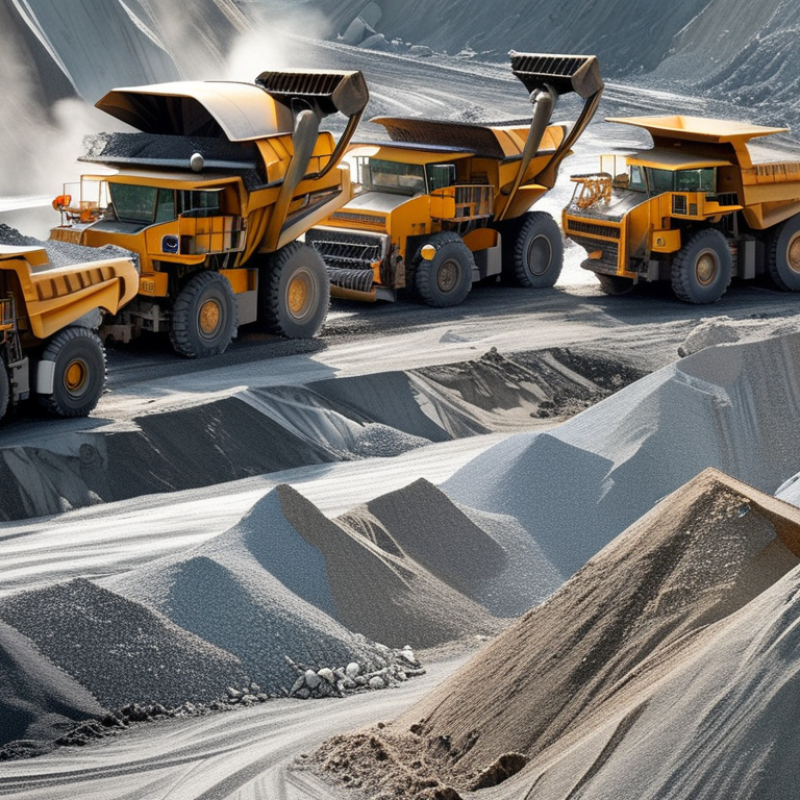
Definition of Pulverizing Equipment and Its Purpose
Pulverizing equipment plays a crucial role in various industries. It is designed to reduce the size of materials. The process involves breaking down solids into smaller particles. This makes it easier to process and use in manufacturing. Commonly pulverized materials include coal, minerals, and plastics. The equipment achieves this through mechanical means like crushing or grinding.
The primary purpose of pulverizing equipment is to improve material handling and processing. Smaller particle sizes facilitate better mixing and uniformity. This can enhance the quality of final products. In many cases, it also helps in achieving specific densities or textures required for various applications.
Understanding the working principles of pulverizing equipment is essential. Different machines may operate on varying principles. Some use impact force, while others rely on shear force. It is important to choose the right type for the intended application. This can lead to better efficiency and output. However, selecting and operating pulverizing equipment may involve challenges. Operators need to consider factors like power consumption and wear rates. These aspects can significantly affect overall operational costs.
Pulverizing Equipment Usage by Industry
This bar chart illustrates the distribution of pulverizing equipment usage across various industries, highlighting the importance of this equipment in pharmaceuticals, food processing, mining, chemicals, and recycling sectors.
Types of Pulverizing Equipment Commonly Used in Industries
Pulverizing equipment plays a crucial role in various industries, helping to reduce materials to a specific size. This equipment can be found in sectors such as construction, mining, and food processing. The common types of pulverizing machines include hammer mills, ball mills, and jet mills. Each type has unique mechanisms that cater to different materials and desired particle sizes.
Hammer mills use rotating hammers to crush materials against a screen. They are efficient for soft to medium hardness materials. On the other hand, ball mills utilize steel or ceramic balls to grind substances. This method is suitable for creating fine powders, especially in mineral processing. Jet mills use high-velocity air to accelerate particles, allowing for extremely fine grinding. They are often used in pharmaceuticals and chemical industries, where purity is crucial.
While each pulverizing type has its strengths, they may also present challenges. For instance, hammer mills can generate heat, potentially altering material properties. Ball mills may require longer processing times for finer outputs. Understanding the limitations and applications of each type can lead to better operational decisions in industrial processes.
How Pulverizing Equipment Operates: Key Processes and Mechanisms
Pulverizing equipment is vital in various industries. It reduces large materials into finer particles for easier handling. The process involves several key mechanisms that ensure effective size reduction.
The primary action is grinding. This can be achieved through impact, compression, or shear forces. For example, in impact pulverizers, hammers strike the material rapidly. This action breaks down the material into smaller fragments.
In contrast, compression devices use pressure to crush materials together. These methods vary based on material composition and desired particle size.
Another important aspect is the design of the equipment. Each machine has specific features that enhance efficiency. Some use adjustable screens to control the size of the output. Others incorporate air classifiers to separate fine particles from larger ones. However, the balance between speed and quality remains a challenge. Increasing speed can lead to heat generation, affecting material integrity. Operators must monitor these parameters closely to achieve optimal results.
Applications of Pulverizing Equipment Across Various Sectors
Pulverizing equipment plays a critical role across many sectors. In the food industry, it aids in transforming grains into fine flour. According to a report by MarketsandMarkets, the global food processing equipment market was valued at approximately $69 billion in 2021. This growth is driven by an increasing demand for processed foods. Efficient pulverizing can enhance product quality while reducing waste.
In pharmaceuticals, pulverizing is essential for creating powders with the right particle size. This ensures better absorption and effectiveness of medications. An industry analysis revealed that the pharmaceutical sector expects a CAGR of 2.8% from 2021 to 2028. Equipment used in this area must adhere to strict regulations. The challenge lies in maintaining consistency while safeguarding product integrity.
Even in the recycling industry, pulverizing equipment is vital. It helps in reducing the size of plastics and metals for reuse. Reports indicate that recycled plastics could replace up to 30% of new plastics in use. However, inconsistency in pulverizing can lead to issues. Not every material breaks down properly, which invites scrutiny. Regular equipment checks and staff training are crucial yet often overlooked.
Advantages and Limitations of Using Pulverizing Equipment
Pulverizing equipment plays a significant role in various industries, yet it comes with both advantages and limitations. One of the primary advantages is efficiency. It can reduce materials to a fine powder in a short amount of time. This is critical in sectors like food processing and pharmaceuticals, where uniformity and consistency are vital. The equipment can handle a wide range of materials, adapting to different needs.
However, there are limitations to consider. Maintenance can be challenging. Over time, wear and tear affect performance. Regular checks are necessary, which can disrupt production. Additionally, the cost of installation and operation can be high. Smaller operations might find it difficult to justify the investment. Safety concerns also arise. Fine powders can be hazardous if inhaled, requiring strict adherence to safety protocols.
Using pulverizing equipment can lead to the production of high-quality materials, but one must carefully weigh these pros and cons. Finding the right balance is essential. Understanding how to operate and maintain machinery is crucial, as improper use can lead to inefficiencies or even accidents. Continuous evaluation and adjustment are necessary for optimized performance.