10 French Door Replacement Tips for Buyers
French Door Replacement can improve natural light, patio access, and the feel of a room. Yet the right choice depends on more than appearance. Buyers should compare the opening size, swing direction, frame material, glass options, and installation needs before ordering. A beautiful door that binds against a kitchen island is still a poor fit. Measure twice. Check the sill.
This guide offers ten practical tips for evaluating French doors, from checking rough-opening dimensions to reviewing energy ratings and hardware quality. Look closely at how the existing frame handles rain, drafts, and daily traffic. A north-facing doorway may need different glazing than a sheltered patio entrance. If the floor is uneven or the opening shows water damage, ask a qualified installer to assess it before purchase. Small signs matter.
Product labels and warranties are useful, but they cannot guarantee a trouble-free installation. Confirm what the quote includes, such as removal, flashing, trim, disposal, and adjustments. Compare written specifications instead of relying only on showroom displays or sales descriptions. Costs may change if hidden rot appears, and careful planning cannot reveal every condition behind old trim. That part is frustrating. French Door Replacement is a significant home decision, so balance budget, performance, security, and maintenance. These tips can help buyers ask clearer questions, avoid common mismatches, and choose a door suited to the home—not just the catalog photo.
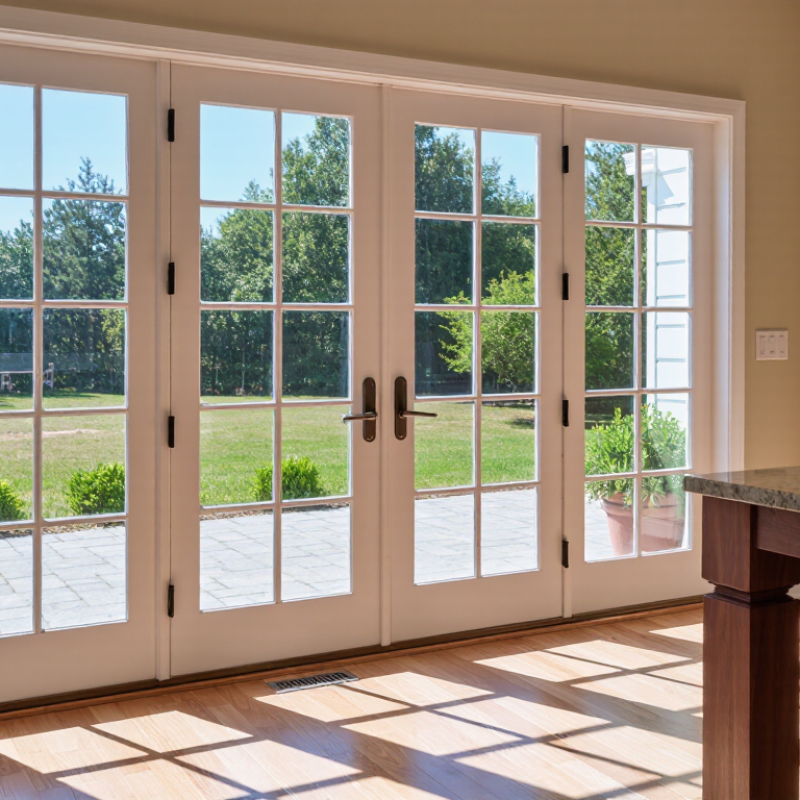
Assessing Your Existing French Door and Its Frame
Assessing Your Existing French Door and Its Frame
Before replacing a French door, check how it opens and closes. Notice whether the leaves rub, swing unevenly, or leave a visible gap. These signs can point to worn hinges, a shifted frame, or both. Inspect the sill and lower frame for soft wood, staining, or peeling paint. Look closely. Moisture damage may hide beneath the surface.
Tip: Measure each door leaf, the full frame width, and the opening height. Check the frame at several points; older openings are not always perfectly square. A small difference matters. Also note the wall depth and sill condition, since these can affect fit and installation. Write down your measurements, then verify them.
Look for daylight around the closed doors and feel for drafts near the meeting point. Check that the frame appears level and plumb, using a level if available. If the doors stick only in damp weather, seasonal swelling may be involved, but don’t assume that is the whole cause. A quick visual check can miss hidden rot or movement. If you find soft framing, persistent leaks, or a noticeably distorted opening, ask a qualified installer to assess it before ordering. Replacement doors cannot reliably correct a damaged frame on their own.
Choosing Door Materials, Glass, and Energy Ratings
When replacing French doors, match the material to your home’s weather and upkeep needs. Fiberglass resists moisture and holds its shape through seasonal changes, while wood offers a warm, paintable finish but needs regular care. Vinyl can be low-maintenance, though frame quality and reinforcement vary. Ask how the door handles direct sun, rain, and temperature swings at your entry. Small details matter.
Glass affects comfort as much as appearance. Double-pane glazing is a common choice; low-emissivity coatings can reduce heat transfer, and gas between panes may improve insulation. If the doors face strong afternoon sun, compare solar heat gain ratings as well as U-factors. A lower U-factor generally means less heat escapes; a lower solar heat gain coefficient can limit unwanted solar warmth. Check the label. Ratings are useful, but they do not account for every home’s exposure.
Look for independently verified performance information, and compare products using the same rating system. In colder regions, prioritize insulation and tight weather seals; in sunny climates, glare and solar gain may matter more. Inspect the threshold and frame dimensions before ordering, since a good-rated door can still feel drafty after poor installation. I have seen buyers focus on glass and overlook the sill. It is easy to miss. Ask the installer how they will seal the opening and manage water drainage.
Measuring the Opening and Confirming Installation Requirements
When replacing French doors, measure the rough opening, not just the visible door panels. If the trim remains in place, note that your measurements may miss the true framing width. Record the width at the top, middle, and bottom, then use the smallest figure. Measure the height on both sides and in the center. Write down every number. Check the diagonals, too; unequal lengths can signal an opening that is out of square. A tape measure can feel definitive, but older homes often have uneven floors or walls.
Confirm the jamb depth, threshold height, and floor slope before choosing a replacement size. Note which way each door should swing and whether handles will clear nearby walls, cabinets, or railings. Measure in consistent units, and label each figure clearly. Small errors matter. A door may fit the width but still bind at the top because the opening leans. Ask the installer to compare your measurements with the specific door system’s rough-opening requirements and to check for framing or moisture concerns. I would remeasure once; it is easy to trust the first reading too much.
Comparing Quotes, Warranties, and Replacement Costs
Replacing French doors can cost more than the door itself. Quotes may include removal, installation, flashing, trim, disposal, and repairs to hidden frame damage. Compare written estimates line by line, not just by total. A quote that leaves out interior trim may look cheaper until the work begins. Ask what could change the price, and request approval before extra work starts.
Tip: Give each installer the same measurements and scope. Ask whether the price covers both doors, hardware, sealing, and cleanup. Check the glass type and frame material, too; they affect cost and performance. If one estimate is unusually low, ask what is excluded. There may be a reasonable explanation.
Read warranties carefully. A product warranty may cover parts, while an installation warranty covers workmanship. Check the term, transfer rules, and exclusions for moisture or poor maintenance. Get the terms in writing. Keep the quote and final invoice together. Still, estimates can be imperfect: concealed rot may only appear after the old frame comes out. Set aside a contingency, but do not accept vague “extra costs” without a clear explanation.
Planning Installation, Weatherproofing, and Final Inspection
French door replacement begins with careful planning, not just choosing a size. Measure the opening at several points, since older frames may be slightly out of square. Measure twice. Confirm who will handle the sill pan, flashing, interior trim, and removal of the old doors. A common planning miss is the threshold: even a small height change can affect flooring and access. Ask the installer to check the subfloor and surrounding framing before the new unit is ordered. Keep the delivery path clear, and protect nearby floors from tools and debris. Plans can still miss something; that is why a pre-installation walkthrough matters.
Weatherproofing deserves close attention during installation. The sill should be level, supported, and sealed according to the door’s installation instructions. Flashing should direct water away from the opening, while low-expansion foam or suitable insulation can reduce drafts around the frame. Avoid blocking drainage paths. After the doors are fitted, open and close each panel several times. Check that the meeting point aligns, the latch engages without force, and the panels do not scrape the floor. On a windy day, feel around the frame for air leaks; inspect the exterior seal after rain. A neat bead of sealant looks reassuring, but it cannot correct poor flashing or a badly fitted frame.