How to Choose the Right Caterpillar Machine for Your Construction Needs
When it comes to optimizing construction operations, selecting the right Caterpillar machine is crucial for enhancing efficiency and productivity. According to industry expert John Smith, a senior engineer at Caterpillar Inc., "Choosing the right machine can significantly impact the success of a project, influencing everything from timelines to costs." With a vast range of Caterpillar machines available, each designed for specific tasks and environments, the decision-making process can often be daunting for contractors.
Understanding your unique construction needs is the first step in making an informed choice. Caterpillar machines are engineered with various features tailored to tackle different types of projects, whether it’s earthmoving, paving, or site preparation. This introduction sets the stage for a deeper exploration of how to assess your project demands, evaluate equipment specifications, and ultimately select the Caterpillar machine that best aligns with your operational goals. By carefully considering these factors, contractors can ensure they employ the most effective machinery to meet their construction objectives.
Understanding the Role of Caterpillar Machines in Construction Projects
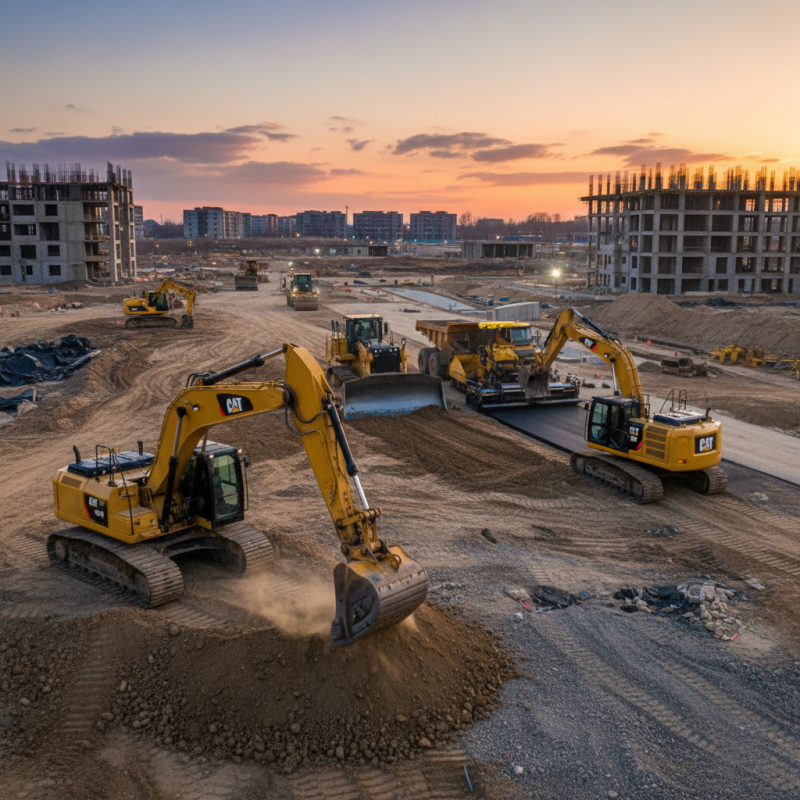
Caterpillar machines play a critical role in modern construction projects, offering unparalleled efficiency, durability, and versatility. According to a report from the Equipment Leasing and Finance Foundation, the construction equipment sector saw an annual growth rate of 4.9% from 2019 to 2023, emphasizing the increasing reliance on heavy machinery like Caterpillar excavators, dozers, and loaders. These machines not only enhance productivity but also ensure the safety and effectiveness of operations on-site.
**Tips:** When selecting a Caterpillar machine, consider the type of project and the specific tasks at hand. For large excavation tasks, a Cat 320 hydraulic excavator might be ideal due to its powerful lifting capability, while smaller projects may benefit from a compact skid steer. Regular maintenance is also essential for maximizing machine lifespan and performance – the American Rental Association suggests that proper upkeep can increase equipment longevity by 30%.
Additionally, understanding the various attachments available for Caterpillar machines can significantly expand their functionality. For instance, using a hydraulic thumb attachment on an excavator allows for better load management and handling, making it a valuable asset for any construction project. The right choice can lead to enhanced performance and a smoother workflow, ensuring your project stays on schedule.
Evaluating Your Project Requirements: Size, Type, and Terrain Considerations
When selecting the appropriate Caterpillar machine for your construction project, it's essential to evaluate your specific requirements concerning size, type, and terrain. Understanding the scale of your project will help determine if you need a compact machine for tight spaces or a larger unit for heavy-duty tasks. For instance, smaller excavators are ideal for urban jobs, while larger bulldozers are better suited for expansive sites.
Tips: Consider the project's scale and select a machine that balances power and maneuverability. For example, if you're working in a confined area, a mini excavator will provide the agility needed without sacrificing efficiency.
Additionally, the type of work you'll be undertaking plays a crucial role in your decision-making process. Different Caterpillar machines are designed for specific tasks such as digging, grading, or hauling. Assess the nature of your project to choose a machine with the right attachments and capabilities.
Tips: Research the available attachments for your chosen machine to enhance its versatility. Opting for a machine with multiple attachment options can save you time and money by allowing you to adapt to changing site requirements.
Lastly, terrain considerations can significantly influence your equipment choice. Whether you're dealing with rocky, muddy, or uneven surfaces, ensure your Caterpillar machine is equipped to handle local conditions effectively.
Tips: Conduct a site visit to identify potential challenges and choose a machine that can navigate those hurdles efficiently, ensuring optimal productivity on your construction site.
Analyzing Caterpillar Machine Specifications: Power, Capacity, and Efficiency
When selecting the right Caterpillar machine for your construction needs, understanding the specifications regarding power, capacity, and efficiency is crucial. According to a recent report by the Construction Equipment Industry Association (CEIA), machinery that efficiently converts fuel into work output can significantly impact overall project costs and timelines.
 For example, Caterpillar's latest D6 Dozer boasts a powerful engine delivering over 200 horsepower while maintaining a fuel efficiency of approximately 20% better than its predecessors. Such advancements promote not only operational effectiveness but also reduce greenhouse gas emissions, aligning with current sustainability trends in the construction sector.
Capacity plays an equally pivotal role in selection. Caterpillar’s 320 hydraulic excavator, with a lifting capacity of up to 15 tons and a reach of over 30 feet, has become a preferred choice for both residential and commercial projects.  An analysis by the Equipment User's Association indicated that machines with greater capacity reduce the number of cycles needed to complete tasks, thus enhancing productivity. Additionally, higher capacities facilitate handling larger materials and increase versatility across various job sites. Therefore, assessing these specifications allows construction managers to choose machines that best fit their operational demands while optimizing both efficiency and effectiveness on the job.
Cost-Benefit Analysis: Rental vs. Purchase of Caterpillar Equipment
When deciding between renting or purchasing Caterpillar equipment for construction projects, a cost-benefit analysis is crucial. According to a report by the Equipment Leasing and Rental Association (ELRA), approximately 30% of construction companies opt for rental equipment to reduce immediate capital expenditures. Renting also minimizes maintenance costs and allows companies to access the latest machinery without the burden of ownership. For example, a Caterpillar excavator can cost around $100,000 to purchase, while the rental rate averages about $2,500 per month. This can be particularly advantageous for short-term projects or fluctuating workload scenarios.
On the other hand, purchasing equipment may yield long-term financial benefits. A study by the Associated Equipment Distributors (AED) highlights that companies holding equipment for more than three years often see lower overall costs per project. Owners can also benefit from tax advantages through depreciation. If a company has consistent work lined up, investing in a Caterpillar machine could lead to savings of over 20% compared to renting over the same period. Ultimately, the decision should align with the company’s financial strategy, project duration, and equipment utilization frequency, ensuring a tailored approach to managing construction needs.
Maintenance and Support Services: Ensuring Longevity of Your Caterpillar Machines
When it comes to ensuring the longevity of your Caterpillar machines, prioritizing maintenance and support services is essential. A well-structured rebuild strategy can significantly reduce the total cost of ownership for construction equipment. According to industry insights, proactively planning for rebuilds can extend the life of aging equipment, ultimately driving down operational costs and enhancing productivity. This approach not only saves money but also minimizes downtime, allowing construction projects to stay on schedule.
Additionally, recent reports in the construction machinery aftermarket services market indicate that there is a growing need for operational resilience and cost optimization. Companies are increasingly turning to digital solutions to streamline maintenance processes and improve equipment utilization. New cloud-based platforms are providing integrated fleet management solutions, which help track assets and maximize machine uptime. By adopting these innovative support services, operators can ensure their machines remain at peak performance, thereby facilitating a more efficient and successful construction operation.