How to Choose the Best Manual Block Making Machine?
In the construction industry, the demand for efficient and cost-effective solutions is ever-growing. A manual block making machine stands out as a practical choice for small to medium-scale operations. According to a recent report by IBISWorld, the block making industry is expected to reach a value of over $1 billion by 2025. This signifies a robust market for modular construction solutions.
Choosing the right manual block making machine involves evaluating several factors, including production capacity, ease of use, and durability. The output quality directly influences project success. A study published by Grand View Research suggests that high-quality concrete blocks can improve structural integrity and reduce maintenance costs. Thus, investing in a reliable machine becomes crucial.
However, potential buyers must also consider the machine's limitations. Understanding the specific needs of your operation can prevent costly mistakes. Not all machines are created equal, and each comes with its pros and cons. It's essential to reflect on these aspects before making a purchase. A well-researched choice could enhance productivity and contribute significantly to your bottom line.
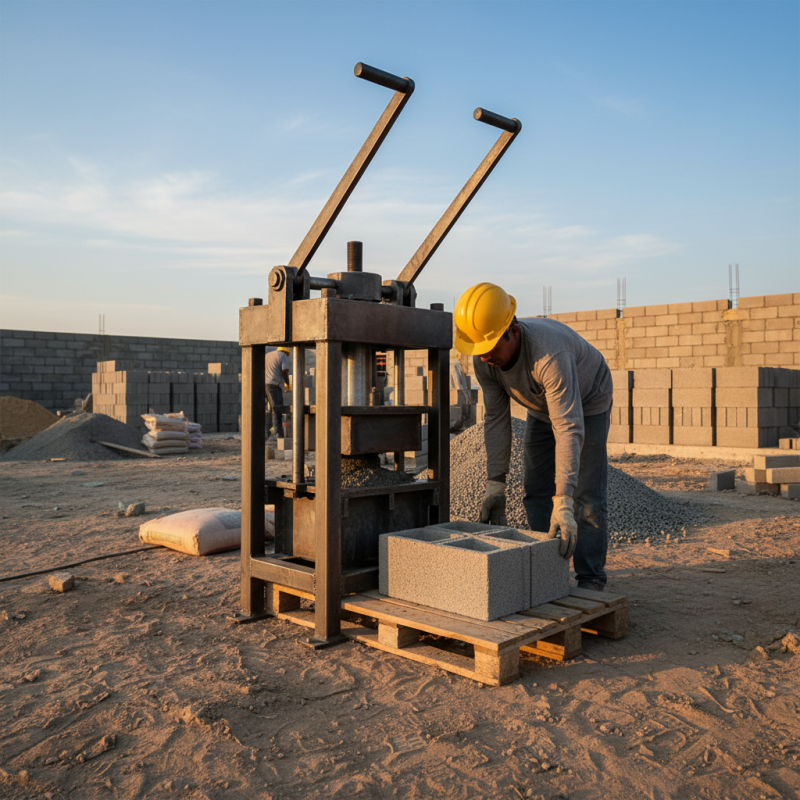
Understanding the Basics of Manual Block Making Machines
Manual block making machines are vital in the construction industry. They create concrete blocks, essential for building projects. These machines operate without electricity, making them suitable for remote areas. A report from the International Journal of Engineering Research highlights that efficient manual machines can produce 500 blocks daily. This production rate depends on the workforce and materials used.
Understanding their components is also crucial. A typical manual block making machine includes a mold, a hydraulic system, and a compacting unit. The mold shapes the concrete into blocks. Users often overlook the importance of the mold's quality. Poor molds lead to inconsistently shaped blocks. This inconsistency can affect the building's structural integrity.
Moreover, selecting the right materials is essential for optimal performance. The ratio of cement to aggregates impacts block strength. A standard mix might be 1:3 for cement to sand. However, many manufacturers do not test their mixes adequately. This oversight can result in weak blocks, which require re-evaluation of material selection. Adopting best practices in operation not only improves quality but also enhances productivity. Investing time in training can lead to better outcomes and innovations in techniques.
Key Features to Consider When Choosing a Manual Block Maker
Choosing the right manual block making machine is crucial for efficiency and quality. Key features to consider include the machine's durability and ease of use. Machines should be made from high-quality materials. A robust machine can last longer and produce consistent blocks. Assessing the build quality is vital; stainless steel components usually indicate durability.
Another significant feature is the output capacity. Some machines can produce 600 blocks per day. This figure can help you gauge if a model meets your production needs. It is essential to align the output with your project requirements. Comfort during operation is also important. An ergonomic design minimizes user fatigue.
Consider the machine's maintenance needs as well. Frequent repairs can disrupt production. A more reliable machine demands less attention, allowing focus on productivity. Regularly reviewing the efficiency can help identify areas for improvement. All these factors contribute to making an informed choice.
Comparing Different Types of Manual Block Making Machines
When choosing a manual block-making machine, it's crucial to understand the different types available. Each type has its pros and cons. For instance, a static block-making machine offers high compression, producing durable blocks. In contrast, a movable block-making machine is more flexible, suitable for various production setups. Reports show that static machines can produce up to 800 blocks per day under optimal conditions, while movable ones may yield around 500 blocks daily.
Another factor is the material used. Some machines are designed specifically for concrete, while others can work with soil-cement mixtures. A study from the International Journal of Engineering indicates a rise in soil-cement block usage due to cost-effectiveness and environmental benefits. However, machines used for soil-cement may not always meet the strength standards required for construction.
Operator skill also plays a significant role. Many manufacturers emphasize training for effective operation. An inexperienced operator might create inconsistent block quality. Consistency is vital in construction. According to the World Bank, inconsistent quality in building materials can lead to structural failures. Investing time in understanding the right type of machine and the associated skills can significantly impact productivity and safety.
Evaluating the Cost and Budget for Your Block Making Project
When evaluating the cost and budget for your block making project, understanding the initial investment is crucial. Research indicates that the average cost of a manual block making machine can range significantly, often from $2,000 to $10,000. Factors influencing this price include production capacity, materials used, and technology level. A machine that produces 1,000 blocks per day may cost more upfront but can lead to lower operational costs over time.
Operational expenses must also be considered. Costs related to labor, maintenance, and raw materials like cement and aggregates play a role in overall budget planning. For example, a recent industry report highlights that materials can constitute 60% of total production costs. Hence, securing reliable suppliers is essential. Failing to do this can lead to inconsistencies in product quality and increased expenses.
Market trends show that investing in a machine with a higher efficiency rating can significantly lower long-term costs. However, many entrepreneurs overlook this aspect. A balance between initial cost and potential returns should guide your decision. This may require reevaluation of project goals and capabilities. Understanding these nuances can prevent costly mistakes down the line.
Assessing Manufacturer Reputation and Customer Reviews
When selecting a manual block making machine, assessing manufacturer reputation and customer reviews is crucial. Customers often share real-world experiences that highlight the machine's performance and durability. Reliable reviews can reveal common issues. Check for patterns in feedback, such as ease of use and maintenance.
Tips for you:
- Look for customer ratings on multiple platforms. This approach provides a broader perspective.
- Connect with users through forums or social media groups. Real interactions can offer insights that reviews might miss.
Reputation is built over time. Established manufacturers often have a history of quality and service. However, newer companies may surprise you with innovative designs. Balancing these factors is key.
Customer feedback can sometimes be overly positive or negative. Seek out verified reviews for a more accurate picture. Understanding the context of reviews matters too. A perfect rating could miss critical use cases.