Who Are the Best SMT Equipment Manufacturers in China?
Choosing among China’s SMT Equipment manufacturers takes more than comparing catalog prices. A fast placement rate looks impressive, but real production depends on board complexity, component range, feeder setup, and changeover time. A line that handles a simple demonstration board may perform differently during a full shift.
This guide examines manufacturers through practical criteria: machine capability, configuration options, documented specifications, quality control, and after-sales support. It also considers how placement accuracy, inspection systems, and reflow performance fit together across a complete line. Ask for test results using boards and components similar to your own. Check spare-parts availability, training arrangements, and typical service response times. A factory visit or a live production trial can reveal details that a brochure cannot. Small details matter.
There is no single best supplier for every factory. A compact workshop may value flexible changeovers, while a high-volume plant may prioritize stable throughput and integration. Published specifications are useful, but they do not tell the whole story. Verify claims against acceptance tests and references from comparable customers. Even then, results can vary with maintenance, operators, and production mix. That deserves caution. The goal here is not to declare a universal winner, but to help buyers compare credible options and ask better questions before investing.
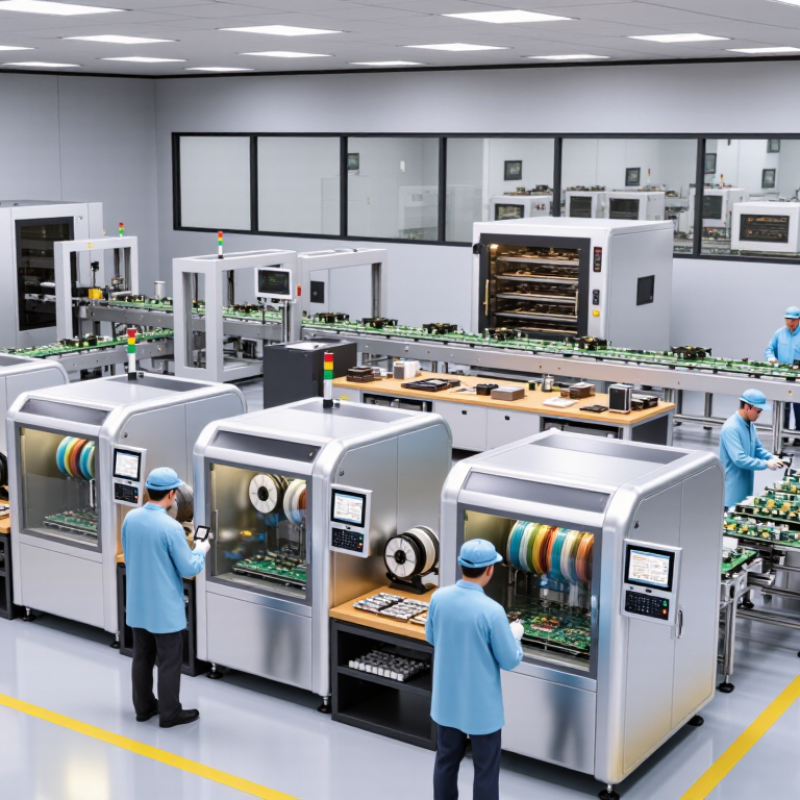
What SMT Equipment Manufacturers Do and How They Serve Electronics Production
SMT equipment manufacturers do more than supply machines. They help electronics producers build a coordinated line for printing solder paste, placing components, reflow soldering, and inspection. A typical line may include a stencil printer, a high-speed placement machine, a reflow oven, and optical inspection. Each station must handle the board’s size, component mix, and target output. Small details matter.
Their service often includes line layout, process setup, operator training, and maintenance planning. Inspection systems can flag shifted components or uneven solder joints before boards move further downstream. The International Federation of Robotics’ World Robotics 2024 report says the electronics industry installed about 125,000 industrial robots in 2023. That figure reflects broader factory automation, not SMT machines alone, but it shows the sector’s investment in automated production.
Manufacturers also help adjust production when designs or volumes change. A line running tiny components may need different feeder setups and placement checks than one assembling larger connectors. Reflow profiles must suit the board and solder paste, so a standard recipe may not work everywhere. Still, equipment cannot fix every process problem. Poor incoming materials or rushed setup can undermine even a well-designed line, and that deserves honest attention.
How SMT Equipment Supports Electronics Production
Typical SMT line stages, shown in process order. The chart describes workflow sequence—not equipment performance or a required configuration.
A typical workflow prints solder paste, checks the deposit with solder paste inspection (SPI), places components, and solders them in a reflow oven. Automated optical inspection (AOI) checks assembled boards; X-ray inspection may be added when hidden solder joints need inspection. Actual line layouts vary by product and quality requirements.
Criteria for Assessing China’s SMT Equipment Manufacturers
Assessing an SMT equipment manufacturer starts with the production task, not a brochure. Check whether the machine handles your actual board sizes, component range, and expected shift volume. Ask for placement accuracy data and the conditions used to measure it. A fast headline speed means little if frequent changeovers slow the line. Ask for evidence.
Reliability shows up in practical details. Review maintenance intervals, spare-parts availability, software updates, and operator training. During a factory acceptance test, run representative boards and record stoppages, setup time, and inspection results. Watch a feeder changeover. Notice how clearly alarms explain the problem. These observations can reveal more than a polished demonstration.
Service matters after installation. Ask who provides technical support, how response times are tracked, and whether remote diagnosis is available. Request references from users with similar products and production volumes, then verify the details directly where possible. Compare total operating costs, including tooling, maintenance, and consumables, rather than purchase price alone. No scorecard is perfect. Local conditions, operator skill, and product mix can change results, so leave room for a measured trial before committing.
Leading Chinese Manufacturers and Their Core Product Categories
China’s SMT equipment sector includes manufacturers focused on different parts of the production line. Some make placement machines for high-speed component assembly; others specialize in solder paste printers, reflow ovens, or automated optical inspection systems. A few offer integrated lines, linking board loading, printing, placement, soldering, and inspection. The categories overlap, but capabilities vary.
For buyers, the equipment label is only a starting point. Ask for placement accuracy, supported component sizes, changeover time, and process data from comparable boards. Inspect feeder compatibility and spare-parts availability, too. Small details matter. A printer may suit fine-pitch work, while an oven’s temperature zones and profile controls affect solder consistency. Inspection equipment can identify defects, but it cannot fix an unstable upstream process.
Service deserves equal attention. Request a sample run using your board, components, and target takt time, then review the results with an engineer. Check installation, operator training, software updates, and response times for local support. Claims can sound polished. Verify them. There is no single best manufacturer for every factory; the right match depends on product mix, volume, budget, and in-house expertise. Even a strong specification sheet leaves questions about long-term support. That part needs careful checking.
How Chinese SMT Equipment Manufacturers Differ in Technology and Support
Chinese SMT equipment manufacturers differ less by brochure claims than by how machines perform on a real production line. A placement platform may advertise high speed, yet feeder changes, board warpage, and mixed component sizes affect usable output. Ask for cycle-time data from a product similar to yours, not just a best-case demonstration. Small details matter. Check nozzle access, alarm clarity, and how quickly an operator can recover from a mis-pick.
Technology choices vary. Some manufacturers prioritize modular lines and quick changeovers; others focus on vision systems, traceability, or placement accuracy. Confirm that the software can exchange job files with your existing printer, inspection system, and factory tracking tools. Request a trial with your actual boards and components. Measure first-pass yield and changeover time over several runs. One demonstration is not enough. A polished demo can hide setup work that reappears on Monday morning.
Support may matter more after installation. Compare response hours, remote diagnostics, spare-part availability, and training for night-shift staff. Ask for a sample service report and clarify which faults require an onsite visit. A fast reply helps, but it cannot replace stocked parts or clear troubleshooting steps. Regional service capacity deserves attention. A sophisticated machine may underperform when programming skills and maintenance routines are limited. The best fit depends on your product mix, staffing, and production targets—not simply the longest specification sheet.
How to Select an SMT Equipment Manufacturer for Your Production Needs
When comparing SMT equipment manufacturers in China, start with your production brief, not a catalogue. Define board dimensions, component range, target output, changeover frequency, and available floor space. A line built for stable, high-volume boards may struggle with frequent small batches. Be specific.
Ask how the supplier validates placement accuracy, feeder compatibility, software updates, and inspection results. Request a live demonstration using a representative board, including fine-pitch parts and a realistic changeover. Watch the operator load feeders and recover from a placement error. Small details matter. Ask for documented cycle-time assumptions; headline speed often excludes pauses, rejects, and replenishment. Check whether local engineers can support installation, calibration, training, and spare-part delivery. A low purchase price can become costly when a sensor or feeder waits weeks for replacement.
Compare warranty terms, reference installations, and process data before deciding. Confirm that quoted capacity matches your product mix, rather than one ideal test board. A polished demo is useful, but it does not prove consistent performance across shifts. Unsupported claims deserve caution, even when a machine looks impressive. One limitation: supplier references may not use boards as complex as yours. Share sample layouts and request a written acceptance plan with measurable targets. This takes longer. It may prevent an expensive mismatch.