
Blog
Best Electric Lift Chairs in 2026 for Global Buyers
Choosing among the best electric lift chairs in 2026 takes more than comparing prices or counting reclining positions. For global buyers, the right chair must fit the person, the room, and the local power supply. This guide uses “Electric Chair” to refer to a powered lift chair designed to assist with sitting and standing.
Details matter. A few centimeters can decide whether a chair clears a doorway or crowds a bedside table. We look at seat width, overall depth, weight capacity, lift motion, control layout, and upholstery. We also consider practical features, such as removable covers, backup power options, and easy-to-reach buttons. Not every feature suits every user. A deep recline may feel relaxing, yet make transfers harder for someone with limited mobility.
Global purchasing adds extra checks. Buyers should confirm voltage compatibility, plug type, delivery access, assembly requirements, warranty coverage, and availability of replacement parts before ordering. Product descriptions can be incomplete, and specifications may vary by model or market. Check the manufacturer’s documentation rather than relying on a listing alone.
Fit comes first. This overview compares common chair types and explains which details deserve closer attention. It does not replace advice from a qualified health professional or an in-person fit assessment. One honest limitation: online research cannot tell you how a chair will feel after a full afternoon of use. When possible, measure carefully and try the controls before buying.
What Electric Lift Chairs Do and Who Benefits from Them
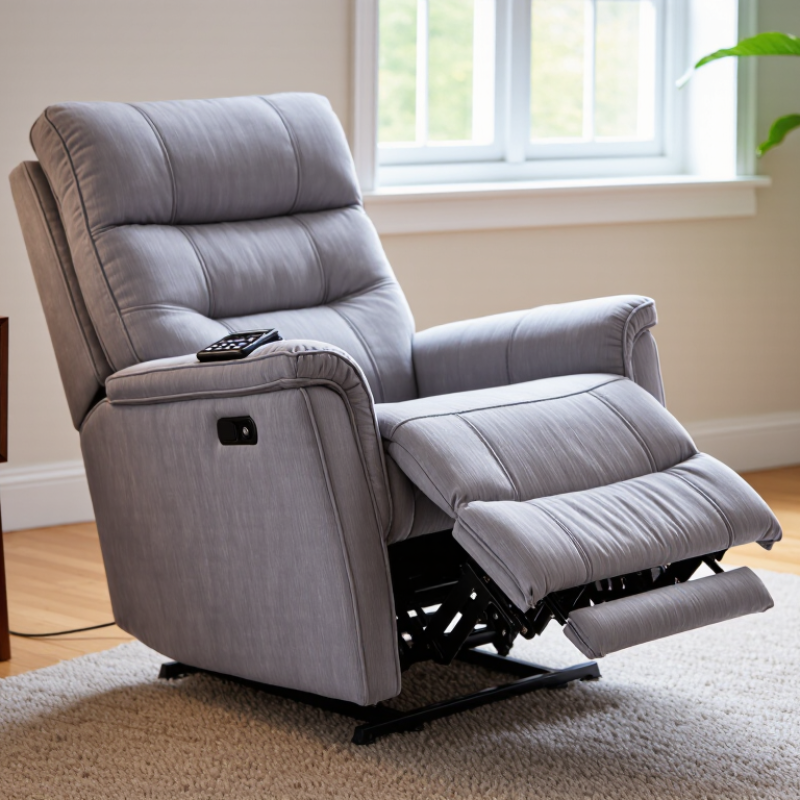
An electric lift chair uses a powered mechanism to tilt the seat forward, helping a person move from sitting to standing with less effort. Many models also recline and raise a footrest, controlled by buttons on a hand-held remote. The chair supports movement; it does not lift someone fully or replace a wheelchair.
People with limited leg strength, painful joints, balance difficulties, or reduced mobility after an illness may find the standing motion useful. The benefit depends on fit and ability. A seat that is too deep can press behind the knees, while a chair that is too wide may offer poor support.
Small details matter. A user should be able to reach the controls and place both feet securely on the floor when seated.
Before choosing a chair, consider room dimensions, doorway width, and clearance behind or in front of the chair as it reclines. Keep it on a level surface, and avoid relying on the armrests to pull yourself upright.
It is not a perfect solution. Some users may need help transferring or operating the remote, and a healthcare professional can help assess individual needs. A rushed purchase can miss these practical issues.
Types of Lift Chairs and Their Core Features
Best Electric Lift Chairs in 2026 for Global Buyers
Types of Lift Chairs and Their Core Features
Two-position chairs usually support sitting and a modest recline, making them suitable for reading or television. Three-position models recline farther, while infinite-position designs adjust the back and footrest separately. Some can lie nearly flat. More movement is not automatically better; the right fit depends on comfort, room space, and how easily the user can operate the controls. Petite, tall, and heavy-duty models vary in seat width, depth, and weight capacity. Check these measurements against the user, not just the product label.
The CDC reports that about one in four U.S. adults aged 65 and older falls each year. A lift chair is not fall prevention, but a smooth lifting motion may help some people move from sitting to standing. Ask a clinician or qualified mobility professional if transfers are difficult. Core features worth checking include motor design, remote-button clarity, upholstery cleanability, frame capacity, and emergency battery backup. For international buyers, confirm local voltage, plug compatibility, and service availability before ordering.
Tips: Measure the doorway, room clearance, and the user’s seated height. Ask how the chair behaves during a power outage. Small details matter. Seat depth is easy to overlook.**
How to Compare Leading Lift Chairs in 2026
When comparing leading lift chairs in 2026, start with fit, not features. Measure the user’s seated height, hip width, and leg length, then check the chair’s seat depth and width. Feet should rest flat, with knees near a right angle. A chair that lifts smoothly but leaves heels dangling is not a good fit.
Look closely at the lift range and controls. Can the chair recline gradually, or does it jump between positions? Ask how the motors are serviced and whether replacement parts are available where you live.
For international purchases, confirm voltage compatibility, plug type, delivery access, and return costs before paying. Small details matter. A power backup may help during an outage, but its limits should be clear.
Upholstery also deserves a close look: textured fabric can feel warmer, while smooth surfaces may be easier to wipe clean. Compare written warranty terms, including coverage for the frame, motor, and labor.
Specifications are useful, but they cannot fully predict comfort. A brief showroom test may also mislead; sitting for several minutes at home feels different. I would give more weight to clear measurements and dependable local support than to extra settings I may rarely use.
Global Buyer Considerations: Voltage, Sizing, Shipping, and Support
For international buyers, electrical compatibility deserves more than a quick look at the plug. Check the chair’s rated voltage and frequency against your home supply, and request written confirmation from the seller. A plug adapter changes shape, not voltage. Do not assume a converter will suit a lift motor; its starting load may matter. If the specifications are unclear, pause and ask a qualified local electrician.
Measure the user and the room before ordering. Seat width, seat depth, and floor-to-seat height affect everyday comfort and safe standing. Measure the chair’s full footprint when reclined, too. A chair can fit beside a sofa when upright, then block a walkway when extended. Check doorways, hall turns, and elevator dimensions. Tape measures can be awkward to use alone; a second person helps, though measurements still deserve a careful recheck.
Shipping terms vary widely. Confirm whether delivery is curbside or includes carrying the chair indoors, and ask about packaging removal and installation. A heavy carton at the entrance is no small inconvenience. Clarify who handles import charges, returns, and damage during transit before paying. Support matters after delivery: ask about response hours, replacement remote controls, motor parts, and service options in your region. A low purchase price may feel less attractive if help is difficult to reach.
Best Electric Lift Chairs in 2026 for Global Buyers – Global Buyer Considerations: Voltage, Sizing, Shipping, and Support
| Buyer Need | Chair Configuration to Consider | Sizing and Capacity Checks | Voltage and Power | Shipping and Setup | Support Checks Before Purchase |
|---|---|---|---|---|---|
| Everyday assistance | Two-position or standard recline lift chair; suitable when a simple lift and relaxed sitting position meet the user’s needs. | Compare the user’s hip width with the usable seat width, and check seat height and depth against their leg length. Confirm the listed maximum user weight. | Match the chair’s rated input to the destination’s mains supply. Common household supplies include 100–127 V and 220–240 V; frequency may be 50 or 60 Hz. | Check packed dimensions, delivery method, doorway clearance, and whether in-home assembly is included. Freight availability and transit time depend on destination. | Ask about the warranty period, replacement parts, service availability in the destination country, and how technical support can be reached. |
| More flexible reclining | Three-position design, which generally offers more recline than a basic two-position chair. Confirm the actual positions and movement range in the product specifications. | Check seat dimensions and the fully reclined footprint. Allow enough clear floor space behind and in front of the chair for its particular mechanism. | Read the chair and power-supply labels; do not assume a plug adapter changes voltage. Confirm whether the supplied power unit supports the local voltage and frequency. | Request a shipping quote that states whether delivery is curbside, threshold, or room-of-choice. Confirm who handles assembly and packaging removal. | Verify whether the motor, hand control, and other electrical components have separate warranty terms and whether replacement components can be shipped locally. |
| Independent back and leg positioning | Infinite-position or independently controlled back-and-footrest design. Some models may offer a near-flat resting position; confirm this rather than relying on the category name. | Check the chair’s open dimensions, seat-to-floor height, and the user’s preferred sitting posture. Confirm the specified weight limit and any usage restrictions. | Confirm the complete electrical system is rated for the destination supply. Ask whether a destination-compatible power supply is provided and approved for the chair. | Measure access routes, including doors, turns, stairways, and lifts. Ask for carton dimensions and the disassembled or assembled dimensions before arranging delivery. | Confirm troubleshooting instructions, parts availability, repair arrangements, and whether the warranty remains valid when the chair is used outside its sales region. |
| Taller or shorter users | Choose a size variant based on the user’s body measurements rather than a general “standard” label. A leg-rest extension may be relevant for some taller users. | Compare seat height, seat depth, and back height with the user’s measurements. When seated, aim for stable foot support and comfortable thigh support; check the fit in person if possible. | Electrical compatibility is model-specific. Request the rated voltage and frequency in writing before ordering internationally. | Confirm that the selected size is available for the destination and that its packed weight and dimensions fit the delivery route and building access. | Ask whether sizing advice is available and whether the chair can be returned or exchanged if it does not fit. Review return freight costs and conditions. |
| Higher weight-capacity needs | Look for a model specifically rated for the intended user weight; some product ranges offer reinforced or bariatric versions. | Use the manufacturer’s stated maximum user weight, not a visual estimate. Also check seat width, frame dimensions, and whether the warranty has any capacity-related conditions. | Verify the rating on the exact chair and power components being supplied. Electrical requirements may differ between models in the same range. | Confirm the shipment’s gross weight, access requirements, and whether the delivery service can handle the package at the destination. | Check coverage for the frame, motor, and control system, plus the local process for repair or replacement if a component fails. |
| Cross-border purchase | Compare chairs by fit, movement type, documented specifications, and available service—not by product name alone. | Obtain a dimensioned specification sheet and confirm the chair’s intended user-weight limit before purchase. | Confirm input voltage, frequency, plug type, power-supply compatibility, and any local electrical approval requirements. A plug adapter alone does not convert voltage. | Ask who is responsible for export packing, customs paperwork, duties, taxes, delivery to the home, and any import-related delays. Get costs and delivery terms in writing. | Confirm warranty territory, service response process, parts shipping costs, and whether the seller can support the chair in the buyer’s language and time zone. |
Buyer note: Specifications and service terms vary by model and seller. Treat this table as a comparison checklist; confirm exact dimensions, electrical ratings, capacity, shipping terms, and warranty coverage for the specific chair and destination before ordering.
Choosing a Lift Chair for Your Needs and Budget
Choosing a lift chair for your needs and budget begins with the person who will use it. Measure their seated height, hip width, and lower-leg length, then compare those figures with the chair’s seat dimensions. A chair that looks spacious online may feel tight at the knees. Check the weight capacity and whether the lift motion helps the user stand without pulling on the armrests. For global buyers, verify the chair’s voltage, plug type, delivery options, and access to replacement parts before ordering. Small details matter.
Tips: Measure doorways and hallways, not just the room where the chair will sit. Compare the full cost, including delivery, setup, and likely servicing. Ask whether the chair reclines independently from its lift function. Test the controls if possible; buttons should be easy to identify and reach. Keep the user’s daily routine in mind.
A lower price can be appealing, but limited local service may make repairs slower or more expensive. Upholstery also deserves thought: easy-clean fabric may suit everyday use, while softer material can feel warmer. It is tempting to choose by appearance alone. I would pause there. Comfort depends on fit, and fit is hard to judge from a product photo.
