
Blog
7 Best Container Units for Sale in 2026
A Container Unit can serve as a compact storage space, a site office, or a starting point for a specialized project. Choosing well takes more than comparing photos and prices. Buyers need to consider dimensions, door access, ventilation, insulation, and the condition of the floor and frame. Small defects matter.
The market also sits within a much larger shipping network. UNCTAD’s Review of Maritime Transport 2024 reports that maritime trade grew by 2.4% in 2023 and carries more than 80% of global trade by volume. These figures explain the sector’s scale, but they do not predict local prices or guarantee that a particular unit is available. Location, delivery distance, and condition can change the final cost substantially.
This guide compares seven container types commonly offered for sale in 2026, from standard dry units to refrigerated and open-top options. Each suits different cargo, storage, or worksite needs. Fit comes first. A reefer, for example, may be unnecessary if temperature control is not required, while a standard unit may not suit bulky equipment loaded from above. Before buying, confirm external and internal dimensions, inspect for corrosion or water ingress, and ask how the unit was graded. Photos help, but they are not an inspection. One limitation: advertised specifications can vary, so verify details with the seller before arranging transport.
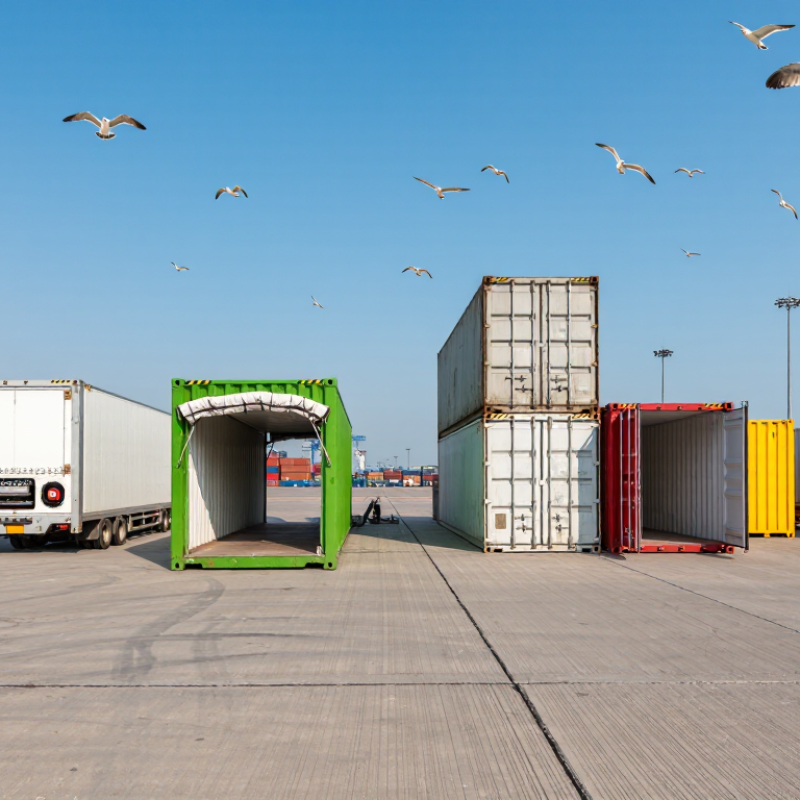
7 Best Container Units for Sale in 2026: Compare ISO 668 Sizes
When comparing container units for sale, start with ISO 668 external dimensions, then check the actual unit’s condition and payload plate.
These are external measurements; interior space is smaller because of wall and floor thickness.
The right size depends on access, cargo volume, and placement. A 20-foot unit can suit a compact driveway or smaller storage load. A 40-foot unit offers more floor length, but delivery trucks need room to position it. Check door openings, corner posts, floor condition, and the manufacturer’s plate; nominal dimensions alone tell an incomplete story.
Scale matters: UNCTAD’s Review of Maritime Transport 2024 reports that global container port throughput reached 858.9 million TEUs in 2023, up 2.4 percent. TEUs are based on 20-foot units.
One detail buyers sometimes overlook: a used container’s dents and repairs can affect practical fit. That deserves a close look.
20-Foot Dry Containers: About 33 m³ and One TEU of Capacity
A 20-foot dry container typically offers about 33 cubic metres of internal volume and counts as one TEU. That figure is useful for comparing units, but it is not the same as usable cargo space. Interior dimensions vary slightly, and pallets, packaging, and door clearance all affect how much fits. Measure your largest items before buying. A narrow doorway can turn a neat loading plan into a frustrating one.
Think in both volume and weight. Dense goods may reach the container’s payload limit well before the space is full. Check the unit’s rating plate and confirm its condition, including floorboards, door seals, corner fittings, and roof. Small defects matter. For example, a worn seal may let in moisture, while damaged flooring can complicate loading equipment access. If possible, inspect the container in person and measure the interior rather than relying only on a catalogue figure. Leave room for airflow and safe movement around cargo. Planning every centimetre sounds efficient, but it can leave little margin for real-world loading.
7 Best Container Units for Sale in 2026 - 20-Foot Dry Containers: About 33 m³ and One TEU of Capacity
Compare common purchase conditions and configurations for standard 20-foot dry containers. Dimensions and ratings are typical reference figures; specifications vary by manufacturer, build, and the container’s safety approval plate.
| Option | Condition or configuration | Typical external dimensions | Typical internal dimensions | Approx. capacity | Typical tare weight | Best suited for | Key check before purchase |
|---|---|---|---|---|---|---|---|
| 1. New-build standard dry | New container intended for general cargo; often sold with minimal prior handling. | 6.06 m L × 2.44 m W × 2.59 m H | About 5.90 m L × 2.35 m W × 2.39 m H | About 33 m³; 1 TEU | About 2,200–2,400 kg | Long-term storage, export use, or buyers seeking a clean interior. | Confirm the CSC safety approval plate, door operation, floor condition, and rated gross weight. |
| 2. One-trip standard dry | Usually a recently manufactured unit that has made a limited delivery voyage; usage depends on seller description. | 6.06 m L × 2.44 m W × 2.59 m H | About 5.90 m L × 2.35 m W × 2.39 m H | About 33 m³; 1 TEU | About 2,200–2,400 kg | Buyers wanting a near-new appearance without requiring a factory-fresh unit. | Inspect for dents, corrosion, repairs, odors, and evidence of the actual shipping history. |
| 3. Cargo-worthy used dry | Used unit assessed as suitable for cargo transport, subject to valid inspection and applicable requirements. | 6.06 m L × 2.44 m W × 2.59 m H | About 5.90 m L × 2.35 m W × 2.39 m H | About 33 m³; 1 TEU | About 2,200–2,400 kg | Shipping or storage where a serviceable used container is acceptable. | Check the inspection status, CSC plate validity, door seals, floor, and repair history. |
| 4. Wind- and watertight used dry | Used unit intended to keep out wind and rain when properly closed; this description alone does not certify it for shipping. | 6.06 m L × 2.44 m W × 2.59 m H | About 5.90 m L × 2.35 m W × 2.39 m H | About 33 m³; 1 TEU | About 2,200–2,400 kg | On-site storage when transport certification is not the primary requirement. | Check roof and corner seams, door gaskets, floor, and any light or water entry. |
| 5. Refurbished standard dry | Used unit that has received repairs or cosmetic work; the extent of refurbishment can differ. | 6.06 m L × 2.44 m W × 2.59 m H | About 5.90 m L × 2.35 m W × 2.39 m H | About 33 m³; 1 TEU | About 2,200–2,500 kg | Storage or general use where repaired surfaces and appearance matter. | Ask for a repair list and inspect welds, patches, paint, corrosion, and door alignment. |
| 6. Insulated dry container | Dry-container shell fitted with insulation; not a refrigerated unit and does not actively control temperature. | About 6.06 m L × 2.44 m W × 2.59 m H | Interior space is reduced by the insulation; verify the unit’s measured dimensions. | Less than an unlined standard unit; confirm usable volume with the seller. | Higher than a comparable unlined unit; verify the specification plate. | Storage projects where reducing heat transfer is useful but refrigeration is unnecessary. | Check insulation condition, interior dimensions, ventilation needs, and moisture management. |
| 7. Standard dry with access or security upgrades | Standard 20-foot dry unit fitted with options such as a lockbox, additional vents, or personnel access door. | Usually 6.06 m L × 2.44 m W × 2.59 m H; modifications may alter details. | About 5.90 m L × 2.35 m W × 2.39 m H before modifications. | About 33 m³ before interior modifications; 1 TEU | Varies with added fittings and reinforcement. | Secure site storage or applications needing extra access or ventilation. | Confirm workmanship, weather sealing, structural changes, and any effect on transport approval. |
Reference: A standard 20-foot dry container is commonly about 6.06 m × 2.44 m × 2.59 m externally, with an approximate volume of 33 m³, and is counted as 1 TEU. Payload and maximum gross weight vary; use the individual container’s rating plate and inspection documents for operational limits.
40-Foot and High-Cube Containers: Up to About 76 m³ of Volume
A 40-foot container offers substantial storage for furniture, equipment, or carefully packed materials. A standard model typically provides around 67 m³ of interior volume, while a high-cube unit can reach about 76 m³. The high-cube version adds roughly 30 centimetres of height, which helps when stacking tall cabinets or loading bulky items. That extra space matters. Still, the published figure describes approximate interior volume, not a guarantee of usable capacity.
Check the internal dimensions, door opening, floor condition, and roof before choosing a unit. A pallet may fit inside but fail to pass through the doors, especially if its load is tall. Measure your largest items and leave room for safe handling; tight packing can make unloading frustrating. Insulation, repairs, or interior lining can reduce available space. A clean volume figure can feel reassuring, but it does not answer every practical question. Ask for current measurements and clear photos, then compare them with your loading plan. Small details matter.
Specialty Units: Refrigerated, Open-Top, Flat-Rack, and Side-Door Models
Specialty container units suit cargo that standard boxes handle poorly. Refrigerated models maintain a set temperature through powered cooling, so confirm the available electrical supply before delivery. Check the unit’s temperature range, door seals, and service history; a clean interior alone tells little about cooling performance. Power matters. For produce or other temperature-sensitive goods, ask how temperature readings are recorded during operation. A reefer may look ready while its cooling system needs attention.
Open-top units allow overhead loading for tall machinery or awkward cargo, but tarps and bows need careful inspection. Flat-rack models support oversized loads, though safe placement depends on weight distribution and proper lashing points. Side-door containers provide wider access than end-door models, which can make loading pallets or long items easier in tight spaces. Measure the cargo and the access route, not just the container’s listed dimensions. I’ve seen that small oversight complicate delivery. Compare floor condition, door operation, and visible corrosion before buying. These checks are not perfect predictors; repairs can hide wear, and site access is easy to underestimate.
Check CSC Plates: Many Standard Units Are Rated Up to 30,480 kg Gross
When comparing container units for sale in 2026, check the data plate before judging capacity. ISO 668:2020 sets standard container dimensions and ratings; many standard units show a maximum gross mass of 30,480 kg. That figure includes the container itself, not just cargo. A unit weighing 2,200 kg empty would therefore allow about 28,280 kg of cargo, subject to its plate and condition. Small detail. Big consequence.
Read the CSC safety approval plate carefully. It identifies the approved maximum gross mass and includes safety-test information, such as stacking and racking values. Do not assume every unit shares the same rating. Modified, older, or specialist containers may differ. The UNCTAD Review of Maritime Transport 2024 reported 858.9 million TEU in global container port throughput for 2023, highlighting the scale of standardized container handling. But a standard size does not guarantee a specific unit’s condition.
Photograph the plate, confirm its numbers match the seller’s listing, and check the tare mass on the container’s markings. Look for corrosion around corner castings, bent door gear, and soft or patched flooring. A valid plate is useful, not a full condition report. I would still ask for a recent inspection record; it is easy to overlook that one.
